 Save
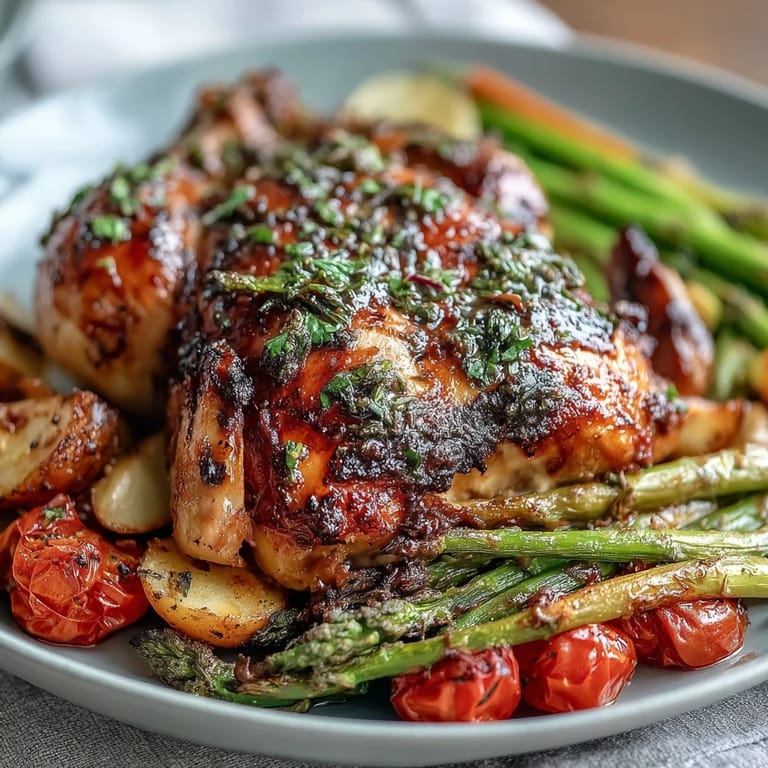
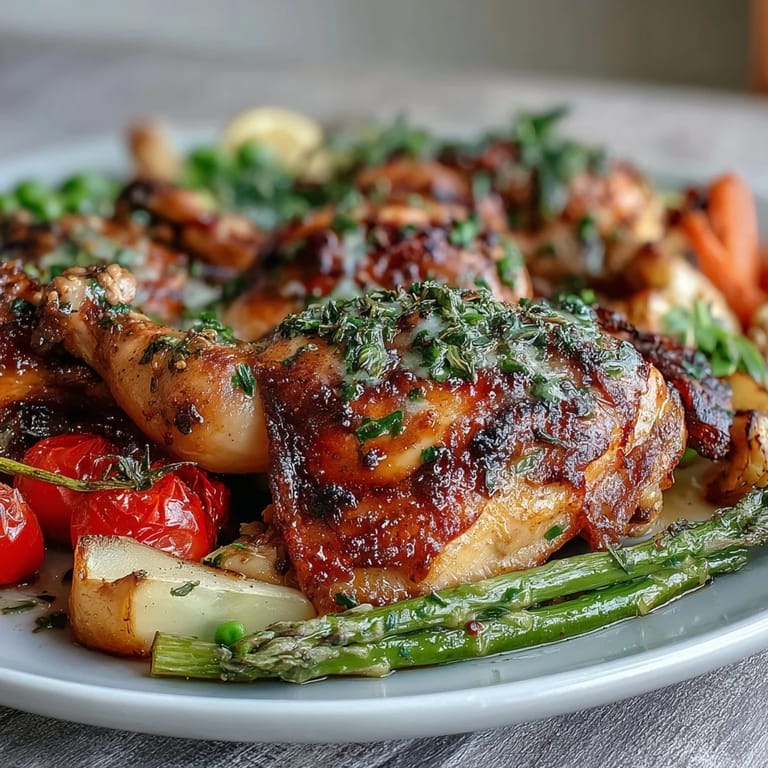
Save Last spring, I was standing in my kitchen with absolutely nothing planned for dinner when my neighbor stopped by with a bag of fresh asparagus from her garden. That simple gesture sparked this sheet pan meal, and it's become my go-to whenever I need something that feels impressive but requires minimal fuss. There's something magical about how a single pan can transform humble chicken and vegetables into a dish that tastes like you actually spent time in the kitchen.
I made this for my sister during a particularly hectic week, and she actually asked for the recipe before finishing her plate. That's when I knew this wasn't just another weeknight dinner—it became the meal I turn to when I want to feed people something wholesome without the stress.
Ingredients
- Boneless, skinless chicken breasts: Look for breasts that are roughly the same thickness so they cook evenly; if one side is thicker, gently pound it out before you start.
- Fresh asparagus: The woody ends snap off naturally where they want to, so just bend them gently and let them tell you where to cut.
- Cherry tomatoes: Halving them releases their juices into the pan, creating a light glaze that coats everything beautifully.
- Sugar snap peas: These stay slightly crisp even when roasted, giving you a pleasant crunch that makes each bite interesting.
- Baby carrots: Halving them lengthwise means they cook faster and have more surface area to caramelize.
- Red onion: The slight sweetness balances the savory elements, and wedges stay intact better than slices during roasting.
- Yellow bell pepper: This adds a bright pop of color and a naturally sweet flavor that doesn't need extra seasoning.
- Olive oil: Use a good quality oil here since it's doing most of the flavor work in the marinade.
- Fresh lemon juice: Never skip this—bottled juice lacks the brightness that makes this dish sing.
- Garlic cloves: Mincing them small ensures they distribute evenly and don't create hot spots of raw garlic flavor.
- Dijon mustard: A teaspoon sounds small, but it adds depth and helps emulsify the marinade so everything stays coated.
- Honey: Just enough to round out the flavors without making this sweet.
- Dried oregano and thyme: These Mediterranean herbs feel right at home with spring vegetables and lean protein.
- Fresh parsley: Sprinkled on at the end, it adds a fresh herbal note that reminds you of where these vegetables came from.
Tired of Takeout? 🥡
Get 10 meals you can make faster than delivery arrives. Seriously.
One email. No spam. Unsubscribe anytime.
Instructions
- Get your oven ready:
- Preheat to 425°F and line your sheet pan with parchment paper if you have it—this saves you from scrubbing later and lets the vegetables brown more evenly.
- Make the magic marinade:
- Whisk together your oil, lemon juice, garlic, mustard, honey, and herbs in a small bowl until they're all mingling together. This is your flavor foundation, so don't rush it.
- Coat the chicken:
- Place your chicken breasts on the pan and brush them generously with half the marinade, making sure to get both sides. They'll look a bit lonely right now, but trust the process.
- Toss the vegetables:
- In a large bowl, tumble all your vegetables with the remaining marinade until everything glistens with that lemony coating. This step takes maybe two minutes but makes all the difference.
- Arrange on the pan:
- Scatter the vegetables around the chicken in a single layer, nestling them so they have room to roast rather than steam. If vegetables are piled on top of each other, they won't brown.
- Roast until golden:
- Slide the pan into the oven for 25 to 30 minutes, depending on how thick your chicken is. You'll know it's done when the chicken reaches 165°F internally and the vegetables have softened with caramelized edges.
- Let it rest:
- Pull the pan out and give the chicken five minutes of peace before slicing. This keeps it tender instead of dry.
- Finish with flair:
- Scatter fresh parsley over everything and squeeze a lemon wedge over your plate if you want that final brightness.
 Save
Save There's a moment during cooking when the kitchen fills with that herbaceous lemon-garlic aroma and you realize dinner is basically done, leaving you free to just breathe for a minute. That's when this meal stops being about feeding yourself and becomes about the small luxury of a well-planned evening.
Why Spring Vegetables Matter
Spring vegetables have a natural sweetness and tenderness that disappears by summer, so catching them at this moment means you're eating them at their peak. Asparagus in particular transforms under heat, losing its raw grassy quality and gaining a subtle nuttiness that pairs perfectly with garlic and lemon. The variety of textures—from the crisp snap peas to the tender carrots—keeps your palate engaged throughout the meal.
Timing and Temperature Tips
The high heat of 425°F is crucial because it caramelizes the vegetables while keeping the chicken juicy. If you lower the temperature, everything takes longer and the vegetables steam instead of roast, losing that golden exterior that gives the dish its character. Investing in a reliable meat thermometer takes the guesswork out of doneness and prevents the anxiety of cutting into chicken to check if it's done.
Variations and Customizations
The beauty of this recipe is that it adapts to whatever you have on hand or whatever your garden is producing. I've made it with zucchini sliced thick to prevent sogginess, with thinly halved radishes for peppery crunch, and even with fingerling potatoes when I wanted something more substantial. The core method stays the same—good marinade, hot pan, single layer of vegetables—so you can rotate through the seasons without feeling like you're making something entirely new.
- Baby potatoes need about 10 extra minutes, so halve them first and consider parboiling them for three minutes before the pan.
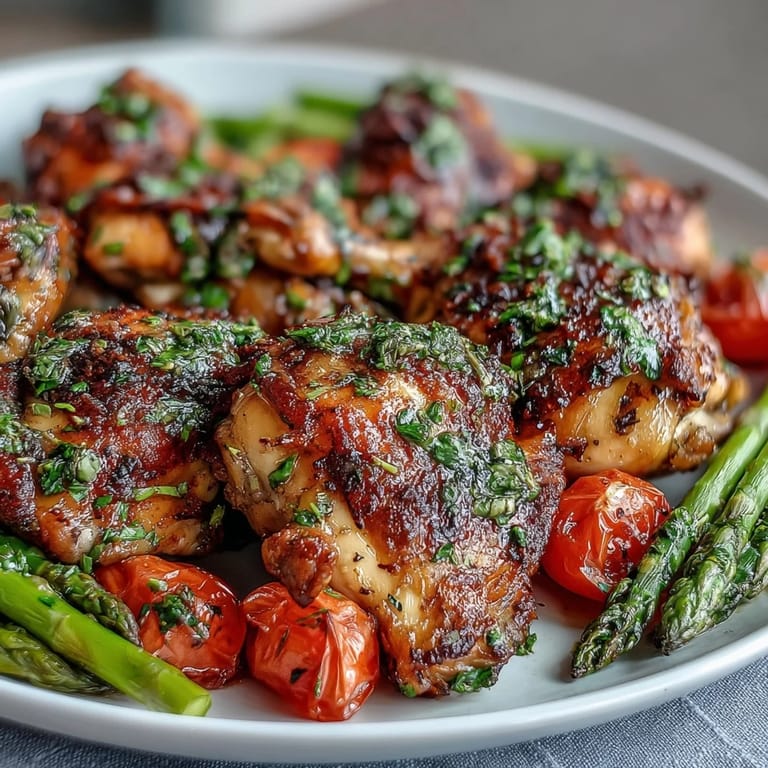
- Swap chicken breasts for thighs if you prefer more forgiving, naturally juicy meat that's harder to overcook.
- A sprinkle of crumbled feta or shaved Parmesan at the end adds richness without derailing the health aspect.
 Save
Save This is the kind of dinner that restores your faith in weeknight cooking, proving that delicious and nutritious don't have to mean complicated. It's become my answer to the question of what to make when I want to feel like I actually cooked something.
Recipe Questions & Answers
- → Can I substitute the chicken breasts for another protein?
Yes, boneless chicken thighs work well and offer a juicier texture. Adjust cooking time slightly if using different cuts.
- → What vegetables can I add or swap in this dish?
Spring veggies like zucchini, radishes, or baby potatoes can be added or substituted to vary flavors and textures. Remember to adjust cooking times for denser vegetables like potatoes.
- → How should I check when the chicken is fully cooked?
Ensure the internal temperature reaches 165°F (74°C) for safe consumption. The chicken should be juicy and no longer pink inside.
- → Can I prepare this meal ahead of time?
Yes, marinate the chicken and vegetables in advance and refrigerate. Assemble on the sheet pan just before roasting to maintain freshness.
- → What sides pair well with this dish?
A crisp Sauvignon Blanc or a light rosé complements the flavors nicely. Adding a fresh green salad or crusty bread can round out the meal.