 Save
Save There's something about baking a sheet cake that transforms a kitchen into celebration central. My neighbor knocked on my door one May afternoon, eyes bright with that specific panic only a graduation party host knows, and asked if I could whip up something feed-a-crowd worthy by the next day. I'd made plenty of layer cakes, but something about the simplicity and generosity of a sheet cake—one pan, no fussy stacking, just pure vanilla goodness feeding twenty-four people—felt exactly right for marking those Class of 2026 milestones.
I'll never forget the moment those graduates gathered around the dessert table and someone shouted, "This cake is actually incredible!" like they'd braced themselves for something boring. The vanilla was clean and bright, not overwrought, and the buttercream had this cloud-like quality that made people reach for second slices. That's when I realized this humble sheet cake had done something special—it showed up, did its job beautifully, and let the celebration be about the people, not the dessert.
Ingredients
- All-purpose flour (3 cups): Use fresh flour if you have it, and spoon it into your measuring cup rather than scooping straight from the bag, which packs it down and throws off your ratios.
- Baking powder and baking soda (2½ tsp and ½ tsp): These two work together to lift the cake, so don't skip either one or you'll end up with a dense brick instead of that fluffy crumb.
- Unsalted butter (1 cup for cake, 1 cup for frosting): Room temperature is non-negotiable here—cold butter won't incorporate smoothly and you'll fight it the whole time.
- Granulated sugar (2 cups): This sweetens the cake while also helping the butter trap air during creaming, which is where the fluffiness starts.
- Eggs (4 large, room temperature): Cold eggs don't emulsify properly with the butter, which means your batter can look curdled and your cake texture suffers.
- Vanilla extract (1 tbsp for cake, 2 tsp for frosting): Vanilla is the whole personality of this cake, so use the real stuff—imitation tastes tinny in such a simple recipe.
- Whole milk (1½ cups for cake, ¼ cup for frosting): Whole milk creates a more tender crumb than skim, and the fat matters for both texture and taste.
- Powdered sugar (4 cups, sifted): Sifting prevents lumps in your frosting and gives you that smooth, spreadable consistency.
- Graduation-themed decorations: This is where you add personality—sprinkles in school colors, edible glitter, whatever makes it feel festive and specific to the occasion.
Tired of Takeout? 🥡
Get 10 meals you can make faster than delivery arrives. Seriously.
One email. No spam. Unsubscribe anytime.
Instructions
- Prep your pan and preheat:
- Set your oven to 350°F and grease a half-sheet pan generously, then line it with parchment paper—this prevents sticking and makes cleanup almost pleasant. Let the oven heat fully while you work on the batter.
- Whisk the dry ingredients:
- Combine flour, baking powder, baking soda, and salt in a medium bowl and set it aside so you're not scrambling later. This step is quick but crucial because it distributes the leavening agents evenly.
- Cream butter and sugar:
- Beat them together for about three minutes until the mixture looks pale and fluffy, almost like mousse—this is where you're trapping air that will make the cake light. You'll actually see the transformation happen.
- Add eggs one at a time:
- Mix well after each egg, watching the batter go from separated-looking to glossy and combined. It's messy and kind of weird for a moment, then it comes together beautifully.
- Mix in vanilla extract:
- Just a quick beat to incorporate it, and your kitchen starts smelling like actual vanilla cake.
- Alternate wet and dry:
- Add half the dry mixture, mix gently on low speed, pour in half the milk, mix again, then repeat with the remaining dry ingredients and milk. Don't overmix or you'll develop gluten and end up with a dense cake.
- Pour and spread evenly:
- Scrape the batter into your prepared pan and smooth it out with a spatula so it bakes evenly. The batter should move easily but not be so thin it sloshes.
- Bake until golden:
- Bake for 28 to 32 minutes, checking with a toothpick around the 28-minute mark—it should come out with just a few moist crumbs, not wet batter. The top should be light golden and spring back when you touch it gently.
- Cool completely:
- Let the cake sit in the pan on a wire rack until it's totally cool, which takes about an hour. This patience prevents the frosting from melting into a puddle.
- Make the buttercream:
- Beat room-temperature butter for about two minutes until it's light and creamy, then gradually add sifted powdered sugar while mixing on low to avoid a sugar explosion. Once it comes together, add vanilla, milk, and salt, then beat on high for 2 to 3 minutes until it's fluffy and holds peaks.
- Frost and decorate:
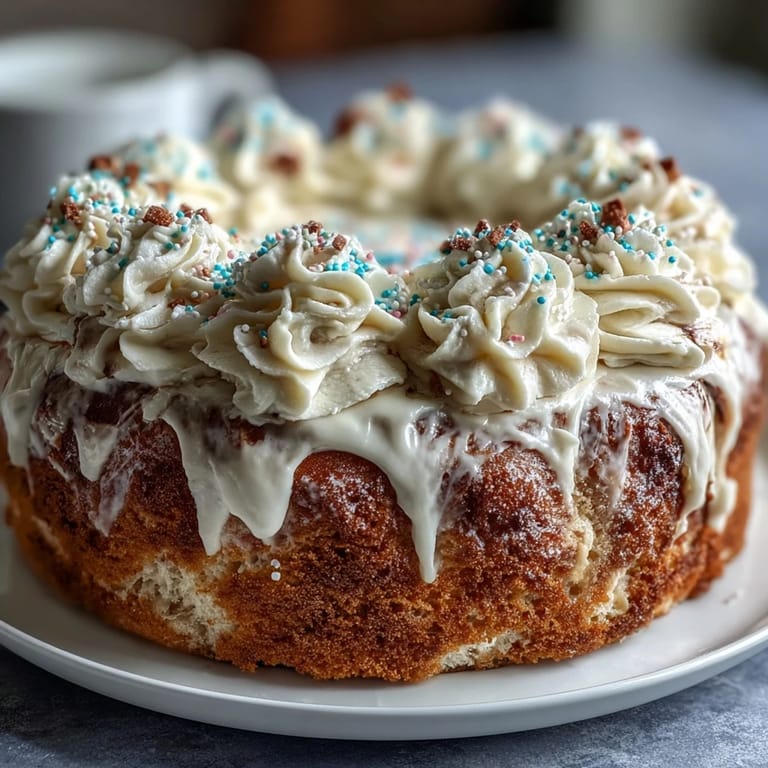
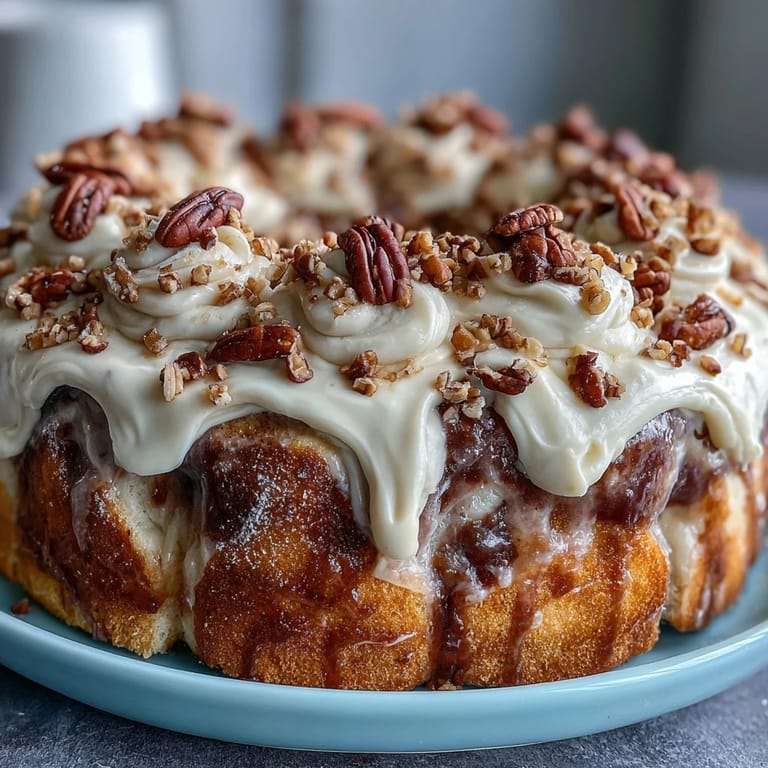
- Spread the buttercream evenly over the cooled cake with an offset spatula, working quickly and smoothly. Add your graduation-themed decorations while the frosting is still soft so they stick.
 Save
Save What I loved most was watching this simple cake become a centerpiece for memory-making. It wasn't fancy or complicated, but it was generous in size and flavor, which somehow felt more meaningful than a technically dazzling dessert ever could.
Why This Works for Crowds
Sheet cakes are the secret weapon of anyone feeding people—one pan, minimal equipment, zero architectural drama. A half-sheet pan serves twenty-four people without requiring you to stack layers, torte cakes, or employ any of the techniques that make bakers sweat. The ratios here are forgiving too; you could add ½ teaspoon of almond extract to the batter if you wanted a subtle complexity, or keep it pure vanilla. Buttercream frosting is more stable than whipped cream and softer than fondant, hitting exactly the right comfort level for people who just want to enjoy dessert without thinking about it too hard.
Timing and Temperature Matter More Than You Think
Room temperature ingredients aren't just a suggestion—they're the difference between a silky batter and one that looks broken and separated. I learned this the hard way one Christmas morning when I grabbed eggs straight from the fridge and ended up with a lumpy mixture that I had to coax back together. The oven temperature matters just as much; at 350°F, the outside sets before the inside overcooks, giving you that tender, even crumb. If your oven runs hot (and many do), check the cake a minute or two early rather than risking a dry texture.
Making It Yours
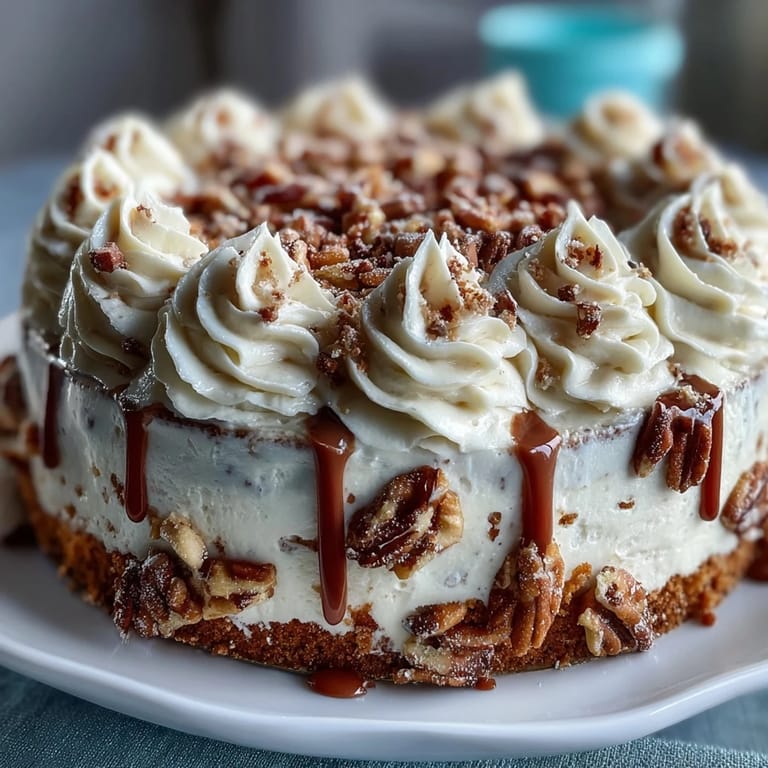
The beauty of this recipe is that it's a blank canvas for whatever moment you're celebrating. You can tint the buttercream in school colors, add edible gold leaf, pipe messages with a piping bag, or scatter sprinkles in whatever combination feels festive. Some bakers add a touch of lemon zest to brighten the vanilla, while others swear by adding a splash of almond extract. The cake tastes even better the next day when the flavors settle and the crumb becomes impossibly tender, so you could actually bake it the day before and frost it the morning of your party.
- Store leftover cake covered at room temperature for one day, or refrigerate it for up to four days, and it stays moist and delicious.
- If you're making this gluten-free, swap the all-purpose flour for a 1:1 gluten-free baking blend and you'll barely notice the difference.
- A half-sheet pan feeds about twenty-four people in standard slice sizes, but if your crowd prefers generous portions, plan for eighteen to twenty servings.
 Save
Save This cake showed me that celebration food doesn't need to be complicated to be meaningful—it just needs to be made with care and served with generosity. Bake it, frost it, and watch people come back for seconds.
Recipe Questions & Answers
- → What makes this sheet cake moist and fluffy?
The combination of creamed butter and sugar, along with eggs and milk, creates a tender crumb and moist texture.
- → Can I add different flavors to the buttercream?
Yes, vanilla is traditional, but you can add almond extract or food coloring to customize it.
- → How do I prevent the cake from sticking to the pan?
Grease the pan well and line it with parchment paper before pouring in the batter.
- → What are good storage options for leftovers?
Cover the cake at room temperature for up to one day or refrigerate it for up to four days.
- → Is there a gluten-free alternative for the flour?
Yes, you can substitute all-purpose flour with a 1:1 gluten-free baking blend to suit dietary needs.