 Save
Save I first tasted chorba at a friend's wedding in Constantine, served steaming hot just after sunset during Ramadan. The smell alone, cumin and cinnamon curling through the crowd, made everyone forget how hungry they were. I asked for the recipe that night, scribbling notes on a napkin while her grandmother laughed at my terrible handwriting. When I finally made it at home, the kitchen smelled so good my neighbor knocked to ask if everything was okay.
I made this for my sister the week she moved into her first apartment, and she called it the first meal that made the place feel like home. We sat on her floor because she didn't have a table yet, dipping bread into our bowls and talking until the pot was empty. She still texts me every time she makes it, usually with a photo of her cat trying to steal a piece of lamb.
Ingredients
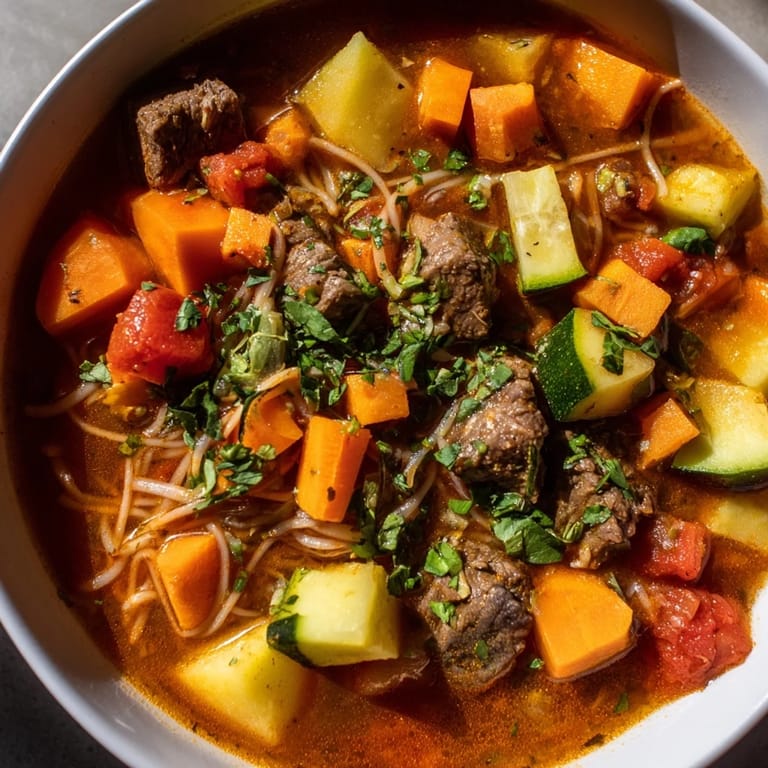
- Lamb shoulder: The shoulder has just enough fat to stay juicy through the long simmer, and cutting it into small cubes means every bite is tender without falling apart completely.
- Onion: Chop it fine so it melts into the broth and sweetens everything without leaving chunky bits behind.
- Carrots and celery: These add a quiet sweetness and body to the soup, and dicing them small keeps the texture even.
- Potato and zucchini: The potato thickens the broth naturally as it breaks down, while the zucchini stays just firm enough to give you something to bite into.
- Fresh and canned tomatoes: Fresh tomato brings brightness, canned tomato brings depth, and together they create a base that tastes like summer and comfort at once.
- Garlic and tomato paste: These two intensify everything, especially if you let the paste cook until it darkens and smells almost caramelized.
- Coriander and parsley: Fresh herbs at the end wake up the whole pot, so don't skip them or use dried, it's not the same.
- Cumin, coriander, paprika, cinnamon, black pepper, turmeric, chili flakes: This blend is the heart of chorba, warm and a little smoky, with just enough heat to make you reach for another spoonful.
- Olive oil: Use good oil for browning the lamb, it coats the meat and carries the spices into every corner of the pot.
- Water or beef stock: Stock makes it richer, but water lets the spices shine on their own, both work beautifully.
- Vermicelli or small soup pasta: It cooks right in the broth and soaks up flavor like a sponge, turning into little silky threads.
Tired of Takeout? 🥡
Get 10 meals you can make faster than delivery arrives. Seriously.
One email. No spam. Unsubscribe anytime.
Instructions
- Brown the lamb:
- Heat the olive oil until it shimmers, then add the lamb cubes in a single layer and let them sizzle undisturbed for a minute before turning. You want a deep golden crust on all sides, which takes about 5 minutes and fills the kitchen with the smell of roasting meat.
- Soften the vegetables:
- Toss in the onions, garlic, carrots, celery, and potato, stirring occasionally so nothing sticks. After 5 minutes they'll soften and start to smell sweet, which means they're ready for the spices.
- Bloom the spices:
- Stir in the tomato paste, cumin, coriander, paprika, cinnamon, black pepper, turmeric, chili flakes, and salt, cooking for 2 minutes until the paste darkens and the spices smell toasted. This step makes everything taste deeper and more rounded.
- Add the tomatoes and zucchini:
- Mix in the fresh diced tomato, canned tomatoes, and zucchini, stirring until everything is coated in spice. The tomatoes will start to break down and create the base of your broth.
- Simmer the soup:
- Pour in the water or stock and bring it to a rolling boil, then lower the heat to a gentle simmer, cover, and let it cook for 1 hour. Skim off any foam that rises to the top, and stir occasionally to keep everything happy.
- Cook the pasta:
- Add the vermicelli or soup pasta and simmer uncovered for 10 to 12 minutes, until the pasta is tender and the broth has thickened slightly. Don't walk away or it might stick to the bottom.
- Finish with herbs:
- Stir in the chopped parsley and coriander, then taste and adjust the salt if needed. The herbs should brighten everything and make the soup smell alive.
- Serve:
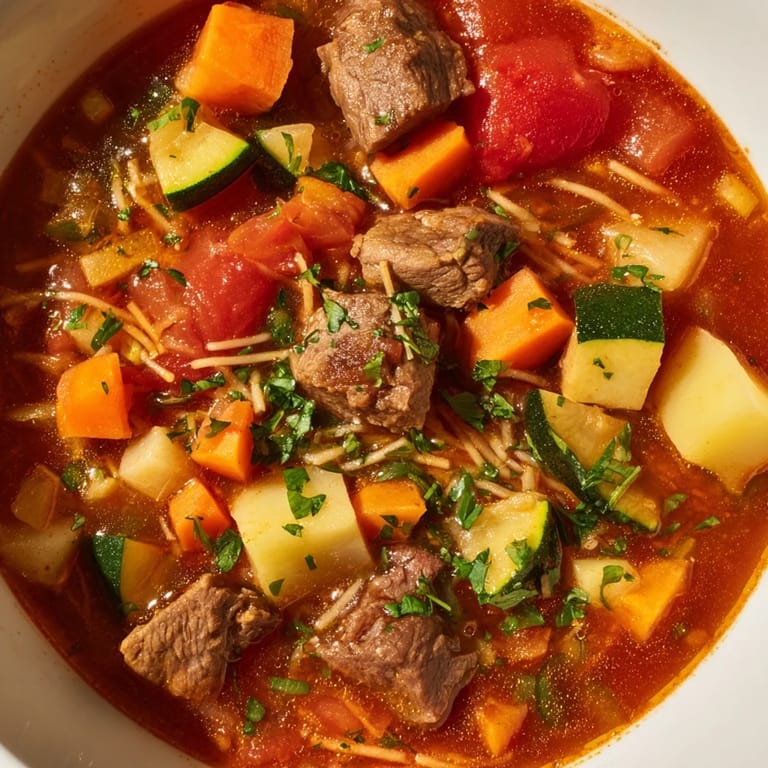
- Ladle the soup into deep bowls, sprinkle with reserved herbs, and serve hot with lemon wedges on the side. Squeezing lemon over the top just before eating changes everything.
 Save
Save The first time I served this to someone who'd never had Algerian food, they went quiet for a whole minute, just tasting and breathing in the steam. When they finally spoke, they said it reminded them of their own grandmother's kitchen, even though she'd never made anything like it. That's when I realized chorba isn't just a recipe, it's a feeling that crosses borders.
How to Make It Your Own
If lamb isn't your thing or you want something lighter, swap it for chicken thighs cut into chunks, they cook faster and soak up the spices just as well. I've also thrown in a drained can of chickpeas during the last 10 minutes for extra protein and a creamier texture. Some people like to add a handful of broken spaghetti instead of vermicelli, which works perfectly and gives you thicker, chewier bites.
What to Serve It With
Chorba begs for crusty bread or warm flatbread to dip and soak up every last drop. I like to set out a small dish of harissa on the side for anyone who wants more heat, and lemon wedges are non-negotiable, one squeeze and the whole bowl comes to life. If you're serving it as a main, a simple salad with cucumber, tomato, and olive oil is all you need alongside.
Storing and Reheating
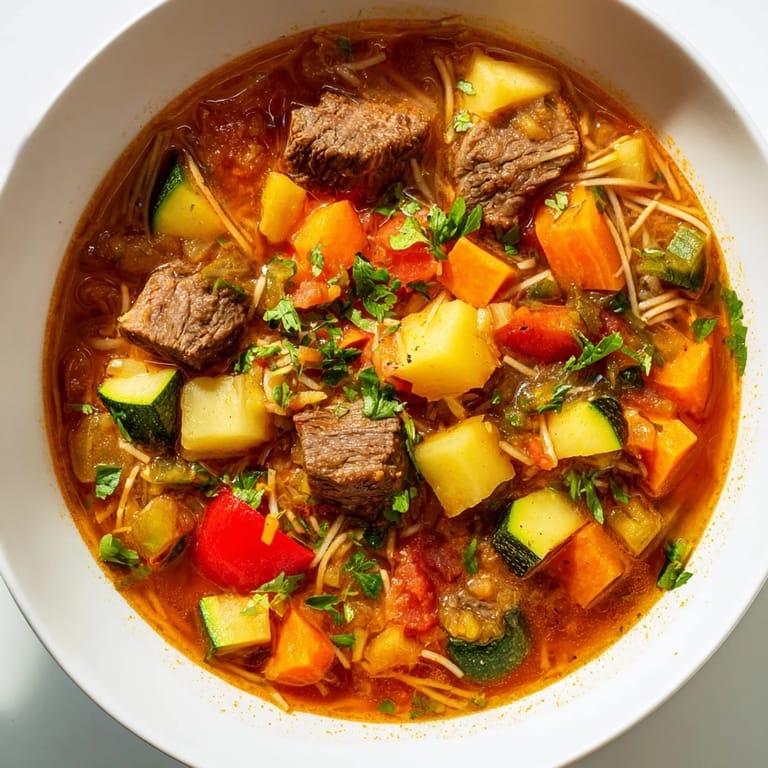
This soup keeps beautifully in the fridge for up to 4 days, and honestly tastes better on day two when the flavors have had time to settle into each other. Store it in an airtight container, and when you reheat it on the stove, add a splash of water or stock because the pasta will have soaked up some of the broth. You can freeze it for up to 3 months, but I recommend freezing it before adding the pasta, then cook fresh vermicelli when you reheat it so it doesn't get mushy.
- Let the soup cool completely before transferring it to containers, hot soup in the fridge raises the temperature and risks spoiling other food.
- If freezing, leave a little space at the top of the container because liquid expands as it freezes.
- Reheat gently over medium heat, stirring occasionally, and taste before serving in case it needs a pinch more salt or a handful of fresh herbs.
 Save
Save Every time I make chorba, I'm back in that crowded wedding tent, holding a bowl that warmed my hands and my chest at the same time. I hope it does the same for you.
Recipe Questions & Answers
- → What cut of meat works best for this dish?
Lamb shoulder cut into cubes provides a tender and flavorful base, releasing rich taste during slow cooking.
- → Can I substitute any vegetables?
Yes, you can add chickpeas or swap zucchini for other summer vegetables like eggplant for variation.
- → How do the spices affect the final flavor?
Ground cumin, coriander, paprika, and cinnamon create a warm, aromatic profile, while chili flakes add optional heat.
- → What type of pasta is traditionally used in this dish?
Small pasta such as vermicelli is added near the end to provide a delicate texture without overpowering the broth.
- → How can I enhance the freshness of this dish before serving?
Garnishing with fresh parsley, coriander, and a squeeze of lemon brightens the flavors and adds freshness.