 Save
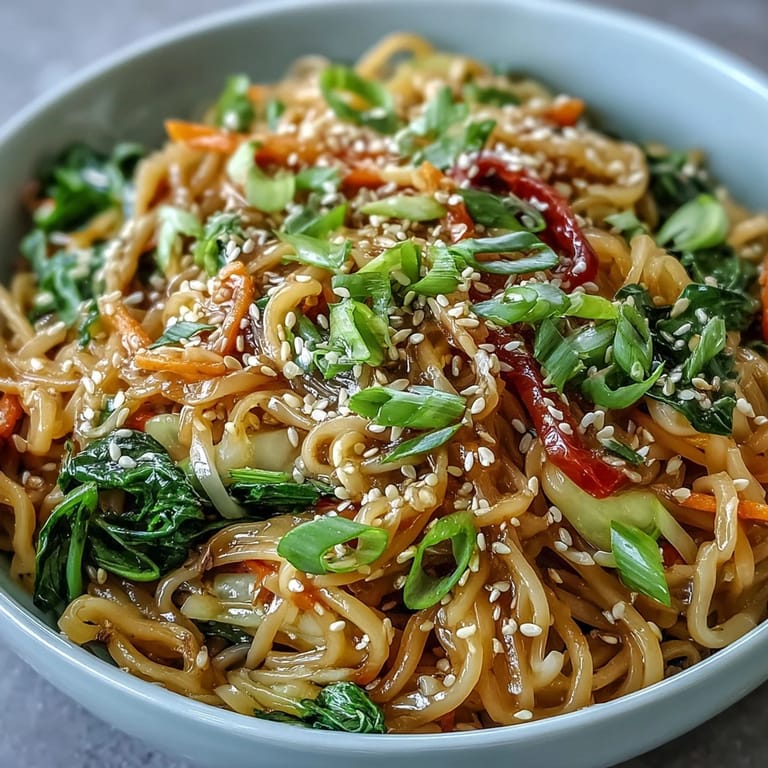
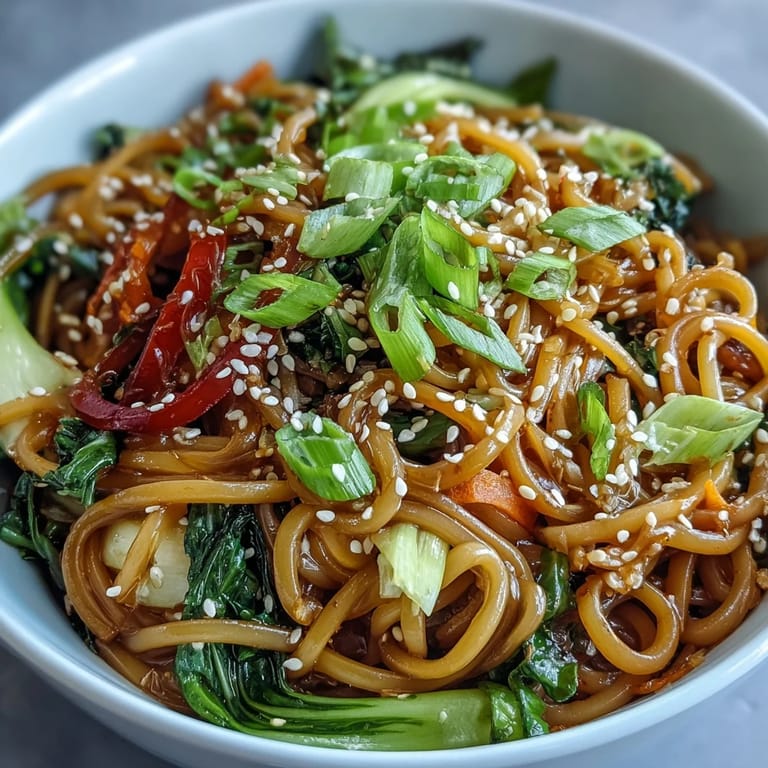
Save The first time I opened a package of shirataki noodles, I wasn't sure what to expect. They came packed in water, smelled faintly of something earthy, and had a texture I'd never encountered before. But after a quick rinse and a few minutes in a hot pan with ginger and sesame oil, they transformed into something light, satisfying, and surprisingly addictive. I made this bowl on a Tuesday night when I wanted something fast but didn't want to sacrifice flavor, and it's been my go-to ever since.
I remember making this for a friend who was skeptical about shirataki noodles. She'd heard they were rubbery and flavorless, but after one bite of this bowl, she was quiet for a moment, then asked for the recipe. It wasn't just the noodles, it was the way the sauce clung to them, the snap of the snow peas, and the way the sesame seeds added a nutty crunch at the end. Sometimes the simplest meals are the ones that surprise you most.
Ingredients
- Shirataki noodles: These translucent noodles are made from konjac yam and are naturally low in carbs and calories, but they need a good rinse and a quick boil to get rid of their natural smell and improve their texture.
- Bok choy: I love the tender leaves and crisp stems, they add a mild sweetness and a satisfying bite that holds up well in a hot pan.
- Red bell pepper: Thinly sliced, it brings color and a subtle sweetness that balances the savory sauce.
- Snow peas: They stay crisp and bright green even after a quick stir-fry, adding a fresh snap to every forkful.
- Carrot: Julienned carrots cook quickly and add a slight sweetness and vibrant orange color.
- Green onions: Sliced thin, they soften just enough to release their mild onion flavor without overpowering the dish.
- Tamari: I use tamari instead of regular soy sauce because it's gluten-free and has a richer, slightly less salty taste.
- Rice vinegar: A splash of this adds a gentle tang that brightens the whole sauce.
- Toasted sesame oil: This is where the magic happens, the nutty aroma fills the kitchen and makes everything taste more complex.
- Fresh ginger: Finely grated, it gives the sauce a warm, spicy kick that feels both comforting and invigorating.
- Garlic: Minced fresh garlic adds sharpness and depth to the sauce.
- Maple syrup: Just a teaspoon balances the saltiness and acidity with a hint of sweetness.
- Chili flakes: Optional, but I always add them for a little heat that lingers pleasantly.
- Toasted sesame seeds: They add a crunchy finish and a toasted, nutty flavor that ties everything together.
- Fresh cilantro or basil: A handful of fresh herbs on top adds a burst of brightness and makes the bowl feel restaurant-worthy.
Tired of Takeout? 🥡
Get 10 meals you can make faster than delivery arrives. Seriously.
One email. No spam. Unsubscribe anytime.
Instructions
- Prep the noodles:
- Drain and rinse the shirataki noodles under cold water, then drop them into boiling water for 2 minutes. Pat them dry with paper towels afterward, this step removes any lingering smell and firms up the texture.
- Mix the sauce:
- In a small bowl, whisk together the tamari, rice vinegar, sesame oil, grated ginger, minced garlic, maple syrup, and chili flakes. The ginger should be finely grated so it melts into the sauce and doesn't clump.
- Stir-fry the vegetables:
- Heat a large skillet or wok over medium-high heat, then add the carrot, bell pepper, and snow peas. Stir-fry for 2 to 3 minutes until they're just tender but still crisp.
- Add the greens:
- Toss in the bok choy and green onions, stirring for another 1 to 2 minutes. The bok choy should wilt slightly but still have some bite.
- Combine and heat:
- Add the drained noodles to the pan, pour the ginger sauce over everything, and toss well. Cook for 2 to 3 minutes until the noodles are heated through and the sauce coats everything evenly.
- Serve and garnish:
- Divide the noodle bowl between two plates or bowls, then sprinkle with toasted sesame seeds and fresh herbs. Serve immediately while everything is still hot and fragrant.
 Save
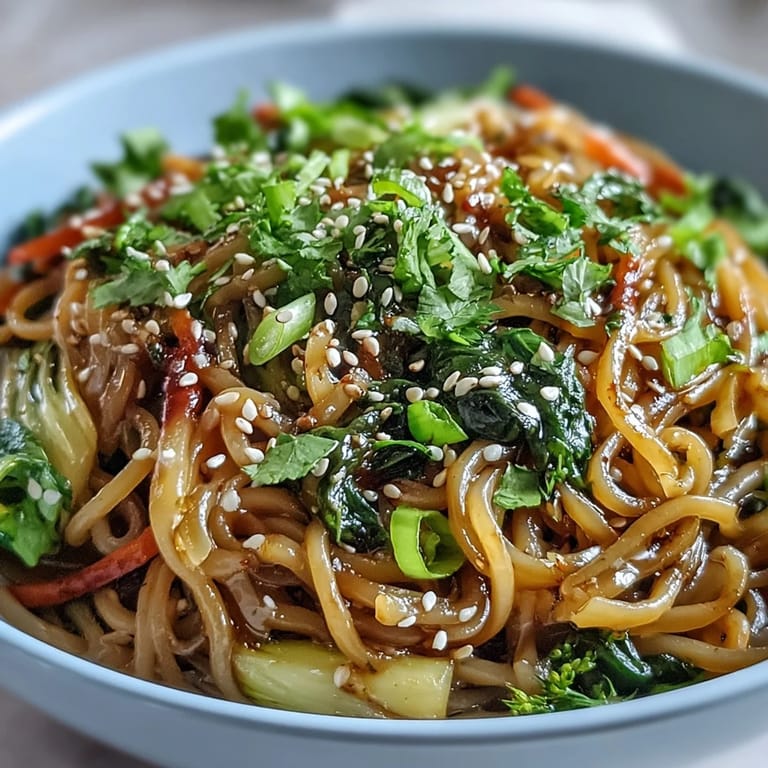
Save One evening, I made this bowl after a long day and sat on the couch with it, curled up under a blanket. The warmth of the ginger, the crunch of the vegetables, and the way the sesame oil lingered on my lips made me feel like I'd done something kind for myself. It wasn't fancy, but it felt nourishing in a way that went beyond the ingredients.
Swapping and Adding Ingredients
I've made this bowl with whatever vegetables I had on hand, sometimes broccoli florets, sliced mushrooms, or snap peas instead of snow peas. If you want more protein, grilled tofu or tempeh works beautifully, and I've even added cooked shrimp when I wasn't cooking for vegan friends. The ginger sauce is forgiving, so feel free to experiment with what's in your fridge.
Storing and Reheating
This dish is best enjoyed fresh, but if you have leftovers, store them in an airtight container in the fridge for up to two days. The noodles can stiffen a bit when cold, so reheat gently in a skillet over medium heat with a splash of water or a drizzle of sesame oil to loosen everything up. The vegetables will soften more, but the flavors deepen overnight, which isn't a bad thing.
Making It Your Own
Once you've made this a few times, you'll start tweaking it without thinking. Maybe you'll add more chili flakes, or squeeze lime juice over the top for brightness. Maybe you'll toss in a handful of spinach at the end, or drizzle a little extra sesame oil because you love the way it smells.
- Try adding a soft-boiled egg on top for richness and extra protein.
- Swap the maple syrup for a bit of honey or agave if that's what you have.
- Finish with a handful of crushed peanuts for extra crunch and a hint of sweetness.
 Save
Save This bowl has become one of those recipes I don't really think about anymore, I just make it. It's quick, it's colorful, and it always leaves me feeling satisfied without feeling heavy.
Recipe Questions & Answers
- → What do shirataki noodles taste like?
Shirataki noodles have a very mild, neutral flavor that absorbs the tastes of sauces and seasonings. Their texture is slightly gelatinous but becomes more pleasant when properly prepared through rinsing and dry-roiling.
- → How do I prepare shirataki noodles properly?
Drain the noodles, rinse thoroughly under cold water, then boil for 2 minutes. Pat them completely dry with paper towels to remove excess moisture before adding to your stir-fry.
- → Can I make this dish higher in protein?
Absolutely. Top with grilled tofu, tempeh, edamame, or cooked shrimp to boost protein content while maintaining the dish's light, low-carb profile.
- → What vegetables work best in this bowl?
Bok choy, bell peppers, snow peas, and carrots provide excellent crunch and color. You can also add broccoli, mushrooms, snap peas, or thinly sliced cabbage based on availability.
- → How long does the ginger sauce keep?
The sauce can be prepared up to 3 days in advance and stored in an airtight container in the refrigerator. Whisk well before using to recombine ingredients.
- → Is this dish suitable for meal prep?
Yes, though vegetables are best when freshly stir-fried. Prep ingredients in advance and cook just before serving, or store components separately and reheat gently before combining.