 Save
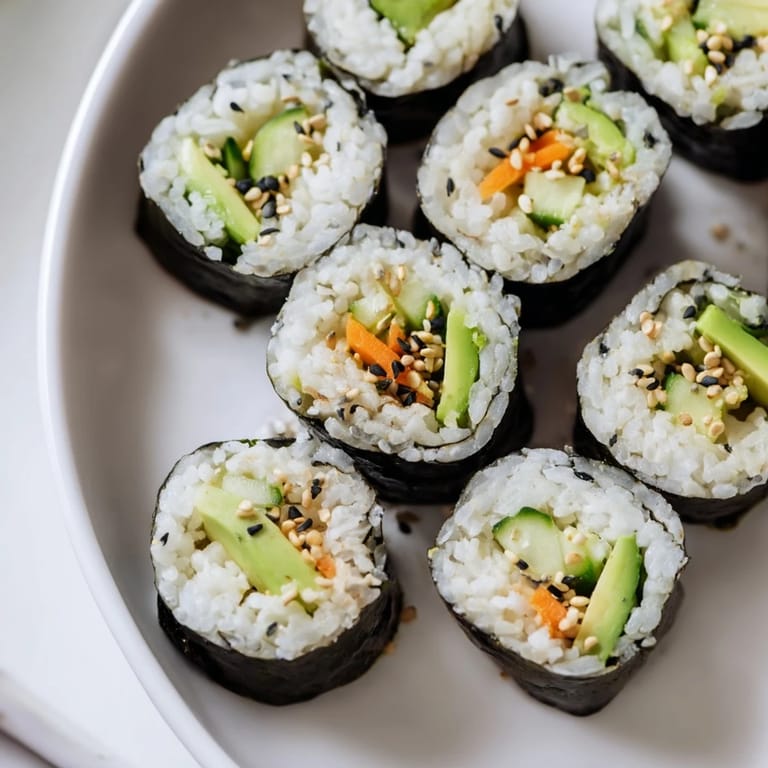
Save I was skeptical the first time I tried making sushi at home, convinced it would end in a sticky mess. But once I got my hands wet and actually rolled that first piece, something clicked. The rice held, the nori cooperated, and suddenly I had these perfect little cylinders sitting on my counter. It felt like unlocking a secret I didn't know I was allowed to have.
I made these rolls for a small dinner party once, and everyone gathered around the counter to watch. There's something almost meditative about the process, the way you spread the rice, line up the vegetables, and roll everything tight. By the end of the night, we were all taking turns at the mat, laughing at our misshapen attempts and eating every last piece anyway.
Ingredients
- Sushi rice: Short-grain rice is essential here because it gets sticky enough to hold the roll together without falling apart.
- Rice vinegar: This is what gives sushi rice that subtle tang and glossy finish you recognize from restaurants.
- Nori sheets: Buy them fresh and store them in a sealed bag, because stale nori won't stick or roll properly.
- Avocado: Choose one that's ripe but still firm, soft enough to slice cleanly but not so mushy it turns into paste.
- Cucumber: English or Persian cucumbers work best since they have fewer seeds and a satisfying crunch.
- Sesame seeds: Toasting them for a minute in a dry pan makes a huge difference in flavor.
Tired of Takeout? 🥡
Get 10 meals you can make faster than delivery arrives. Seriously.
One email. No spam. Unsubscribe anytime.
Instructions
- Rinse the rice:
- Run cold water over the rice until it stops looking cloudy. This step removes excess starch and prevents the rice from turning gummy.
- Cook the rice:
- Bring the rice and water to a boil, then cover and lower the heat. Let it steam undisturbed for 18 to 20 minutes, then rest off the heat for another 10.
- Season the rice:
- Mix the vinegar, sugar, and salt until dissolved, then fold it gently into the warm rice. Let it cool to room temperature before you start rolling.
- Prepare your workspace:
- Lay out your bamboo mat, nori, rice, and fillings. Keep a small bowl of water nearby to wet your hands and knife.
- Spread the rice:
- With damp hands, press a thin, even layer of rice onto the nori, leaving about an inch at the top edge bare. Don't press too hard or the rice will get mushy.
- Add the fillings:
- Line up your avocado, cucumber, and any other vegetables along the bottom edge. A light sprinkle of sesame seeds adds a nice nutty finish.
- Roll it up:
- Use the mat to lift the edge closest to you and roll it away from you, tucking the filling in as you go. Apply gentle, even pressure to keep it tight.
- Slice and serve:
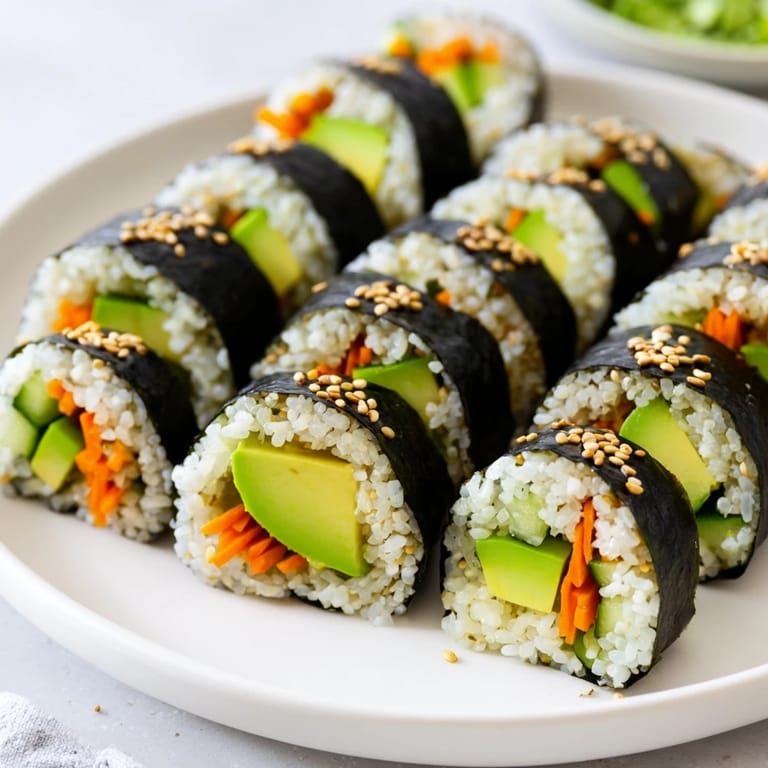
- Wet your knife before each cut to keep the rice from sticking. Slice each roll into six to eight pieces and arrange them on a plate.
 Save
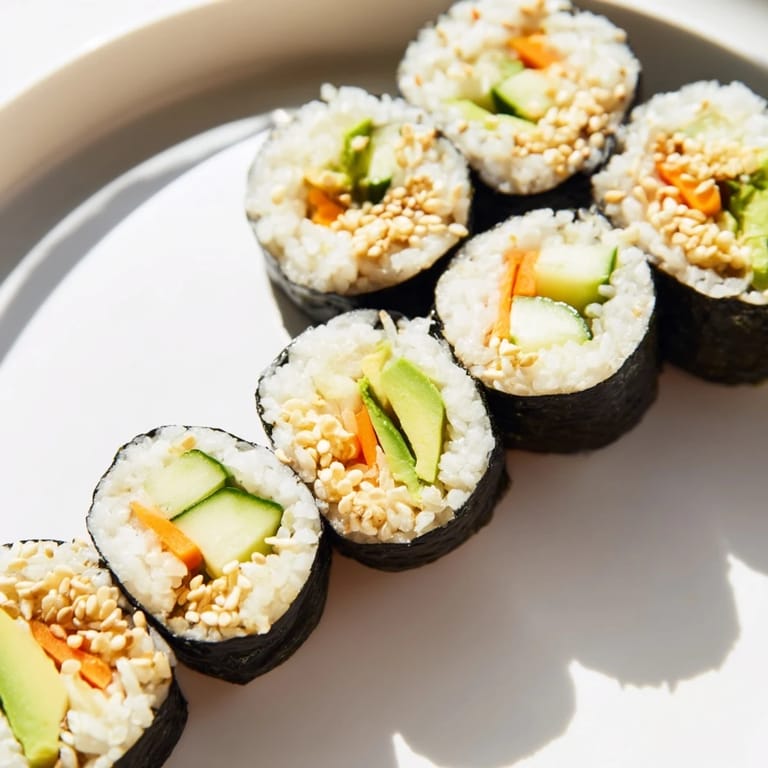
Save There's a quiet satisfaction in setting down a plate of homemade sushi and watching people reach for it without hesitation. It's not just food at that point, it's proof that you can make something beautiful with your own hands, even if you've never done it before.
How to Get the Rice Just Right
The rice is the foundation of the entire roll, so if it's too wet or under-seasoned, everything else falls flat. I've learned to taste the seasoned rice before I start rolling, it should be slightly sweet, tangy, and just sticky enough to hold together. If it tastes bland now, it'll taste worse once it's wrapped in nori.
What to Do If You Don't Have a Bamboo Mat
You can use a clean kitchen towel or even a piece of parchment paper if you're in a pinch. The mat just makes it easier to apply even pressure, but I've rolled sushi with my bare hands before and it still turned out fine. The key is confidence, hesitate too much and the rice starts sticking everywhere.
Storage and Leftovers
Sushi is always best eaten fresh, but if you need to store it, wrap each roll tightly in plastic wrap and refrigerate for up to a day. The rice will firm up in the fridge, so let it sit at room temperature for about 10 minutes before eating.
- Don't slice the rolls until you're ready to serve, they stay fresher that way.
- If the nori gets chewy, try lightly toasting the whole roll in a dry pan for a few seconds.
- Leftover seasoned rice makes a great base for rice bowls the next day.
 Save
Save Once you get the hang of it, you'll find yourself making these rolls on a whim, just because you can. There's something deeply satisfying about that.