 Save
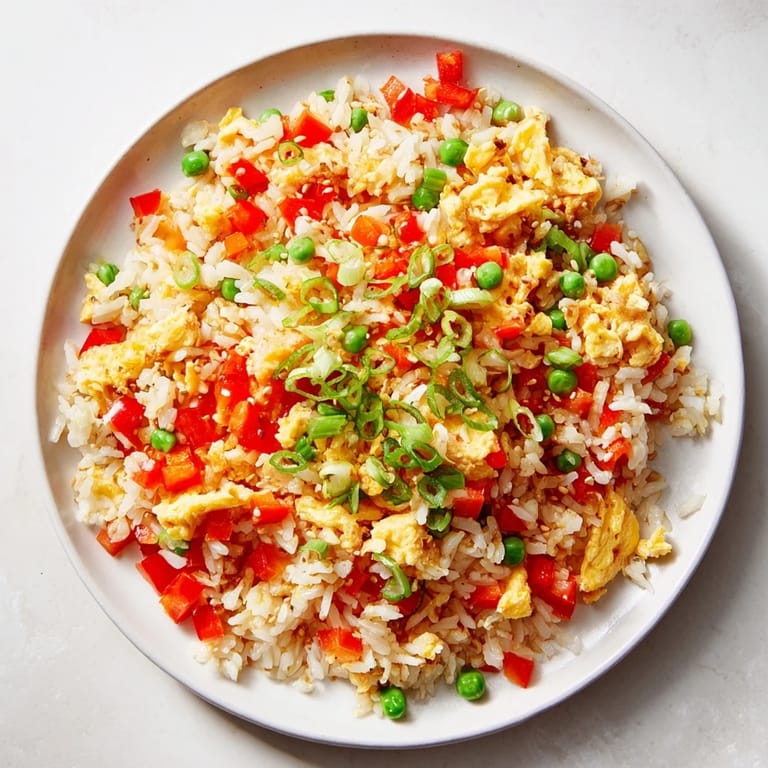
Save There's something magical about the sizzle of cold rice hitting hot oil, the way it transforms from clumpy leftovers into something golden and alive. I learned to make egg fried rice on a weeknight when my fridge was nearly empty and takeout felt like a luxury I couldn't afford. What started as necessity became my go-to comfort meal, the kind of dish that takes fifteen minutes but tastes like you've been cooking all day.
I made this for my roommate once when she came home exhausted from double shifts, and I watched her face light up the moment she smelled the garlic and ginger. She said it tasted like every good meal she'd eaten, which felt like the highest compliment. That's when I realized this dish isn't just food, it's a small act of care that happens to be incredibly delicious.
Ingredients
- Cold cooked white rice (4 cups, preferably day-old): Day-old rice is crucial because the grains stay separate instead of clumping together. If you only have fresh rice, spread it on a plate and let it cool completely before using.
- Eggs (3 large): Beat them gently with a pinch of salt to cook them just right, giving you tender scrambled pieces rather than rubbery chunks.
- Vegetable oil (2 tbsp, divided): Use a neutral oil with a high smoke point so it doesn't burn when the heat gets intense.
- Frozen peas and carrots (1 cup, thawed): Thawing them first prevents the wok temperature from dropping too much, keeping everything crispy.
- Scallions (½ cup, finely sliced): Split the whites and greens, using whites during cooking and saving greens for garnish to keep that fresh bite.
- Red bell pepper (½, diced): The diced pieces cook evenly and add sweetness that balances the salty-savory flavors.
- Soy sauce (3 tbsp): Low sodium lets you taste everything else, but regular works fine if that's what you have on hand.
- Toasted sesame oil (1 tsp): A little goes a long way, adding that nutty depth that makes people ask what your secret is.
- Ground white pepper (½ tsp): It's milder than black pepper and dissolves into the rice more seamlessly.
- Garlic (1 clove, minced): The moment it hits the hot oil, your kitchen smells like someone who actually knows how to cook.
- Fresh ginger (1 tsp, grated, optional): If you use it, grate it just before cooking so you capture all those bright, spicy notes.
Tired of Takeout? 🥡
Get 10 meals you can make faster than delivery arrives. Seriously.
One email. No spam. Unsubscribe anytime.
Instructions
- Beat Your Eggs:
- Crack them into a small bowl, add a tiny pinch of salt, and whisk until the yolks and whites are completely combined. This salt seasons them gently from the inside out.
- Scramble and Set Aside:
- Heat a tablespoon of oil in your wok or skillet over medium-high heat until it shimmers, then pour in the eggs. Stir gently and constantly, and the moment they're mostly set but still a touch soft, transfer them to a plate. They'll keep cooking from residual heat, so pull them a second too early rather than a second too late.
- Fragrant Base:
- Add the remaining oil to the wok, then immediately add your minced garlic, ginger if using, and the white parts of the scallions. Keep stirring for about 30 seconds, just until the smell makes you close your eyes and breathe it in deeply.
- Vegetables Get Their Turn:
- Toss in the peas, carrots, and bell pepper, stirring constantly for 2 to 3 minutes. You're looking for that moment when they're just tender but still have a bit of snap to them.
- Rice Takes Center Stage:
- Crank the heat to high and add all that cold rice, using your spatula to break apart any clumps as you go. Keep stirring for another 2 to 3 minutes, letting the rice get heated through and picking up a little bit of color and crispiness on the edges.
- Bring It All Together:
- Return the scrambled eggs to the wok, breaking them into small, bite-sized pieces as you mix. Pour in the soy sauce and sesame oil, grind in the white pepper, and toss everything until it's evenly coated and hot all the way through.
- Finish and Serve:
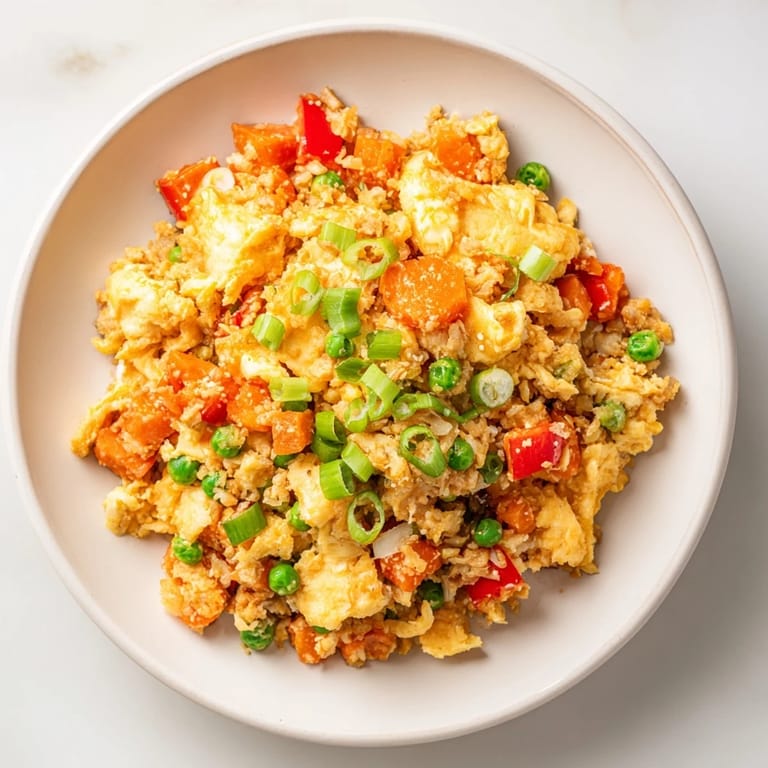
- Scatter those reserved scallion greens across the top and serve immediately while everything's still steaming. The green onions stay fresh and bright this way instead of getting soft and wilted.
 Save
Save My brother brought his girlfriend over the first time I made this for a casual dinner, and halfway through eating, she asked for the recipe in a tone that made it clear she was only half joking about making it every week. That's the moment I stopped thinking of fried rice as just a way to use up leftovers and started seeing it as something that brings people together.
The Secret to Restaurant-Quality Texture
The difference between soggy fried rice and the kind that makes you close your eyes and hum comes down to heat and patience. A lot of home cooks are afraid to turn the flame up high, worried they'll burn something, but a blazing hot wok is actually your friend. The oil shimmers, the rice gets those beautiful golden edges, the vegetables stay bright and slightly crisp, and everything comes together in under five minutes. If you're cooking on medium heat and it's taking longer than that, your wok isn't hot enough. Let it get scary hot before you start, and trust the process.
Why Day-Old Rice Changes Everything
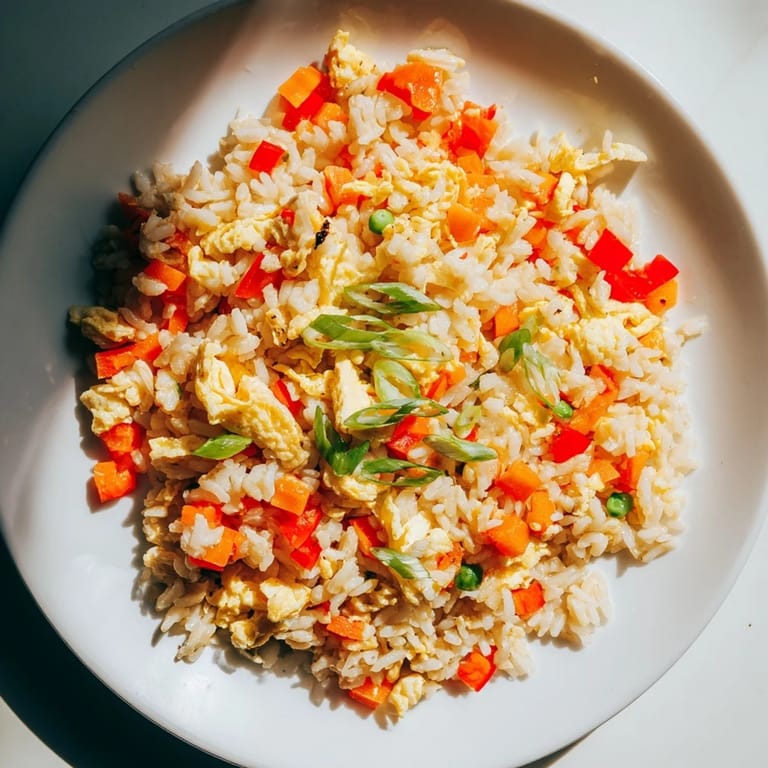
Fresh, warm rice is full of moisture, which is wonderful for a bowl of steamed rice but absolutely terrible for frying. When you try to stir-fry it, the moisture releases steam, the grains stick together, and you end up with fried rice that's more like a rice cake than individual fluffy grains. Day-old refrigerated rice has lost that excess moisture, so each grain stays separate and can actually get a bit crispy in the hot oil. It's counterintuitive that leftover rice is better than fresh, but once you understand why, it becomes a meal you plan for on purpose rather than cook by accident.
Customizing Your Bowl
The beauty of fried rice is that it adapts to whatever you have or whatever you're craving that day. Feeling like something more substantial? Stir in some cooked shrimp, diced chicken, or crispy tofu pieces after you add the rice back in. Want heat? A drizzle of chili sauce or sriracha at the end transforms the whole vibe. Need it gluten-free? Swap the soy sauce for tamari and you've got it. The core technique stays exactly the same, so once you understand how this works, you can play with it endlessly.
- Add shrimp or diced cooked chicken for extra protein, stirring it in right after you return the eggs to the wok.
- A touch of chili sauce or sriracha at the very end gives you heat without overpowering everything else.
- Keep your eye on the wok the whole time, because once the rice is in, the whole thing moves fast.
 Save
Save What I love most about this dish is that it never feels like cooking, it feels like assembling something good. In twenty minutes, you go from a quiet kitchen to something that tastes like you spent all afternoon cooking and like you actually care about feeding people well.
Recipe Questions & Answers
- → What kind of rice is best for this dish?
Day-old cooked white rice works best as it’s dryer and prevents clumping, resulting in a better texture when stir-fried.
- → Can I use frozen vegetables?
Yes, frozen peas and carrots work well if thawed beforehand. They cook quickly, retaining texture and color.
- → How do I achieve fluffy scrambled eggs?
Cook eggs gently over medium-high heat, stirring carefully until just set to keep them soft and fluffy.
- → Is it possible to make a gluten-free version?
Use gluten-free tamari sauce instead of traditional soy sauce to keep the dish gluten-free without sacrificing flavor.
- → What additions can enhance protein content?
Adding cooked shrimp, chicken, or tofu boosts protein while complementing the existing flavors.