 Save
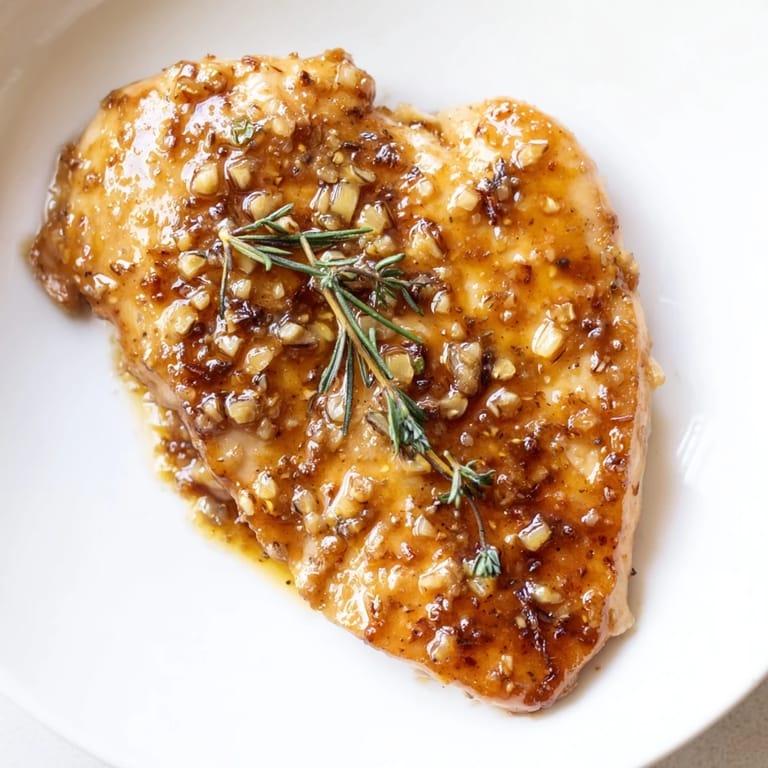
Save I was rummaging through the pantry on a Thursday night, tired and uninspired, when I spotted a jar of Dijon mustard tucked behind the oats. I'd bought it weeks ago for a sandwich and forgotten all about it. That same night, I threw together this honey mustard chicken with whatever I had on hand, and it turned into one of those accidental wins that you end up making over and over. The sauce bubbled up golden and glossy, clinging to the chicken like it had been planned all along. My husband took one bite and asked if I'd been hiding this recipe from him on purpose.
The first time I made this for friends, I panicked halfway through because the sauce looked too thin. I almost reached for cornstarch, but then I remembered to just let it simmer uncovered for a few extra minutes. It thickened beautifully, and I learned that patience is half the recipe. One friend scraped her plate clean and texted me the next day asking for the recipe. That's when I knew this one was a keeper.
Ingredients
- Boneless, skinless chicken breasts (about 1½ lbs): Pat them really dry before seasoning or they won't get that gorgeous golden sear, just a sad gray steam.
- Dijon mustard (1/3 cup): This is the backbone of the sauce, sharp and bold, the kind of mustard that actually has personality.
- Honey (1/4 cup): Balances the tang with just enough sweetness, and it helps the sauce cling to the chicken like a glaze.
- Whole-grain mustard (2 tablespoons): Adds little pops of texture and a rustic look that makes the sauce feel more homemade.
- Garlic (3 cloves, minced): Sauté it just until fragrant or it'll turn bitter, learned that the hard way once.
- Apple cider vinegar (1 tablespoon): Brightens everything up and keeps the sauce from feeling too heavy or sweet.
- Low-sodium chicken broth (1/2 cup): Thins the sauce just enough to let it simmer and coat the chicken without being gloopy.
- Fresh thyme (1 teaspoon) and rosemary (1 teaspoon, chopped): These herbs make your kitchen smell like a French countryside bistro, and they're worth using fresh if you can.
- Kosher salt (1/2 teaspoon) and black pepper (1/4 teaspoon): Season the chicken directly so every bite has flavor, not just the sauce.
- Olive oil (2 tablespoons): For searing, choose something that can handle medium-high heat without smoking up your kitchen.
- Fresh parsley (optional, for garnish): A sprinkle at the end makes it look like you tried, even if you didn't.
Tired of Takeout? 🥡
Get 10 meals you can make faster than delivery arrives. Seriously.
One email. No spam. Unsubscribe anytime.
Instructions
- Prep the Chicken:
- Pat the chicken breasts completely dry with paper towels, then season both sides generously with salt and pepper. Wet chicken won't brown, it'll just steam sadly in the pan.
- Sear the Chicken:
- Heat olive oil in a large skillet over medium-high heat until it shimmers, then add the chicken breasts and let them sear undisturbed for 3 to 4 minutes per side until deeply golden. Transfer them to a plate and don't worry, they'll finish cooking in the sauce later.
- Sauté the Garlic:
- Lower the heat to medium, toss in the minced garlic, and stir it around for about 30 seconds until it smells amazing. Don't let it brown or it'll taste bitter.
- Build the Sauce:
- Whisk together the Dijon mustard, whole-grain mustard, honey, apple cider vinegar, and chicken broth right in the skillet, scraping up any browned bits from the bottom. Bring it to a gentle simmer and watch it start to come together.
- Add Herbs and Chicken:
- Stir in the thyme and rosemary, then nestle the chicken breasts back into the skillet and spoon some of that gorgeous sauce over the top. Cover with a lid and let it simmer for 10 to 12 minutes until the chicken is cooked through and registers 165°F on a thermometer.
- Thicken and Finish:
- Remove the lid, turn the heat up just a notch, and simmer uncovered for 2 to 3 minutes to thicken the sauce if it's too thin. Garnish with chopped parsley and serve hot.
 Save
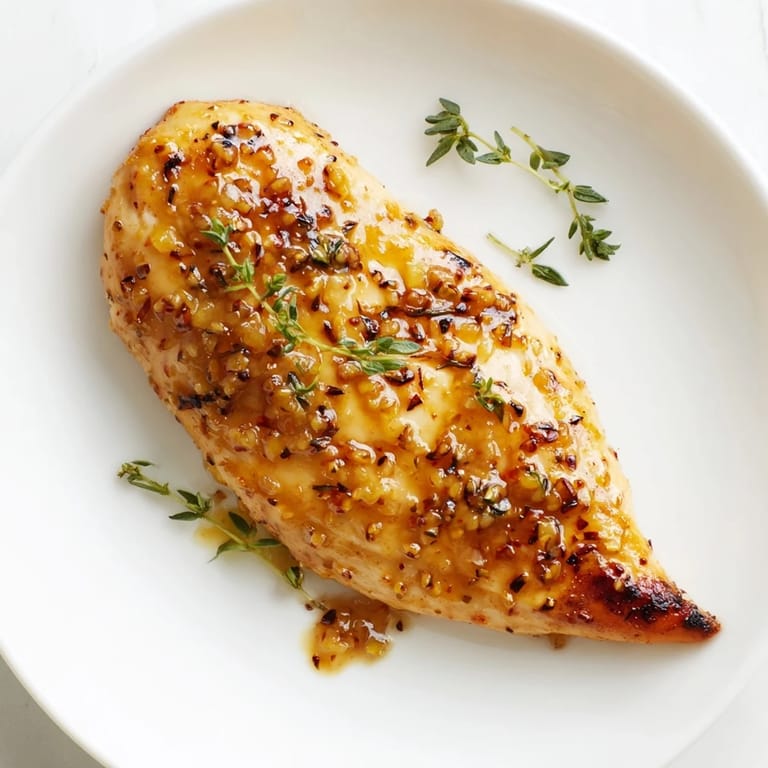
Save One Sunday, I made this for my mom when she came over feeling worn out from a long week. She sat at the table quietly, ate two helpings, and then asked if I could teach her how to make it. We stood together in the kitchen the next weekend, her taking notes on a scrap of paper, and I realized this wasn't just about the recipe. It was about the comfort of something warm and easy and reliable, the kind of meal that says everything's going to be okay without having to say it out loud.
What to Serve It With
This chicken begs for something to soak up all that glossy, tangy sauce. I usually go for a big scoop of buttery mashed potatoes or a pile of fluffy white rice, both of which do the job beautifully. Roasted vegetables like Brussels sprouts, carrots, or green beans add a nice contrast, and honestly, a crusty piece of bread on the side never hurt anyone. One time I served it over creamy polenta and it felt downright luxurious for a weeknight.
How to Store and Reheat
Leftovers keep well in an airtight container in the fridge for up to three days, and the flavors actually deepen overnight. Reheat gently in a skillet over low heat with a splash of chicken broth or water to loosen the sauce, stirring occasionally so it doesn't stick. I don't recommend the microwave because it can make the chicken rubbery, but if you're in a rush, cover it and use 50% power in short bursts. The sauce might separate a little when reheated, but a quick stir brings it back together.
Ways to Make It Your Own
If you want a richer sauce, stir in a couple tablespoons of heavy cream or crème fraîche at the very end for a velvety finish. Chicken thighs work beautifully here too and stay even juicier, though they might need an extra few minutes of cooking time. Sometimes I add a handful of spinach or kale in the last few minutes just to sneak in some greens, and it wilts right into the sauce without any fuss.
- Swap apple cider vinegar for white wine vinegar or a splash of white wine for a slightly different tang.
- Toss in sliced mushrooms or shallots when you sauté the garlic for more depth.
- Finish with a squeeze of fresh lemon juice if you want an extra burst of brightness.
 Save
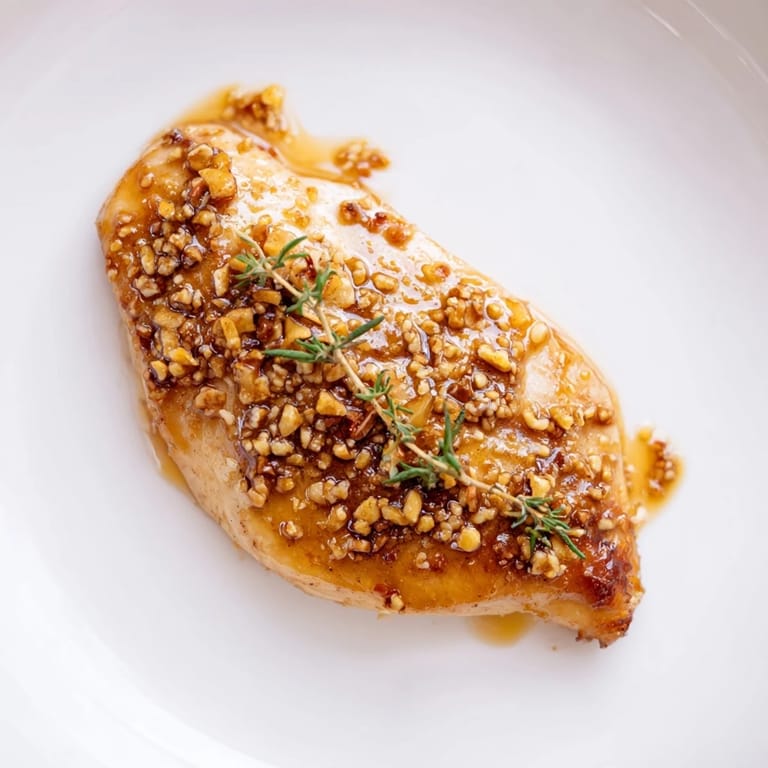
Save This is the kind of dinner that makes you feel capable, even on the nights when you're running on fumes. It's been my go-to for years now, and I hope it becomes one of yours too.
Recipe Questions & Answers
- → How do I ensure the chicken stays juicy?
Pat the chicken dry before seasoning and sear it quickly over medium-high heat to create a golden crust. Avoid overcooking by checking the internal temperature reaches 165°F. The sauce also keeps the chicken moist during simmering.
- → Can I use chicken thighs instead of breasts?
Absolutely. Chicken thighs are actually ideal for this dish as they're naturally juicier and more forgiving. Increase the simmering time to 15-18 minutes to ensure they're fully cooked through.
- → What if I want a creamier sauce?
Stir in 2 tablespoons of heavy cream during the last minute of cooking. Alternatively, add a splash of Greek yogurt or sour cream for a tangier, lighter option.
- → Is this dish truly gluten-free?
As written, yes. However, always verify your Dijon mustard and chicken broth labels, as some brands add gluten as a thickener. Choose certified gluten-free options if needed.
- → What are the best side dishes?
Serve with fluffy rice, creamy mashed potatoes, or roasted vegetables like asparagus or Brussels sprouts. A lightly oaked Chardonnay pairs beautifully with the honey and mustard notes.
- → Can I make this ahead of time?
Prepare the sauce components in advance and store separately. Sear the chicken fresh when ready to serve, then combine with the prepared sauce. The dish tastes best served immediately after cooking.