 Save
Save The first time I truly understood zarb wasn't from a recipe book, but from watching my neighbor's uncle orchestrate an entire feast with nothing but a pit, some hot coals, and absolute confidence. The meat emerged hours later, so tender it fell from the bone, and the vegetables had absorbed something almost magical—a smokiness and depth I couldn't replicate in my home kitchen for months. When he finally shared the method, I realized it wasn't about the fancy equipment; it was about patience, layering flavors deep into the meat, and trusting slow heat to do what rushing never could.
I made this for my partner's family dinner last spring, nervous about whether my oven version could match the authenticity. The moment I opened that foil packet, steam rose with such aroma that everyone crowded into the kitchen before they'd even sat down. That's when I knew the method had worked—the smell alone had transported them somewhere, and the food delivered on every promise it made.
Ingredients
- Lamb shoulder or chicken, bone-in and chunked: Bone-in pieces keep the meat insanely tender and add body to the juices—boneless cuts dry out faster than you'd expect.
- Olive oil: This carries the spices into the meat; use good quality since you taste it directly.
- Ground cumin and coriander: These are the backbone flavors, warm and earthy without overpowering everything else.
- Cinnamon and smoked paprika: The cinnamon adds a subtle sweetness that balances the savory elements, while paprika brings gentle smoke.
- Black pepper and salt: Don't skip on either—they amplify all the other spices and ensure nothing tastes flat.
- Garlic and lemon juice: Garlic perfumes the meat, and lemon cuts through the richness so each bite stays bright.
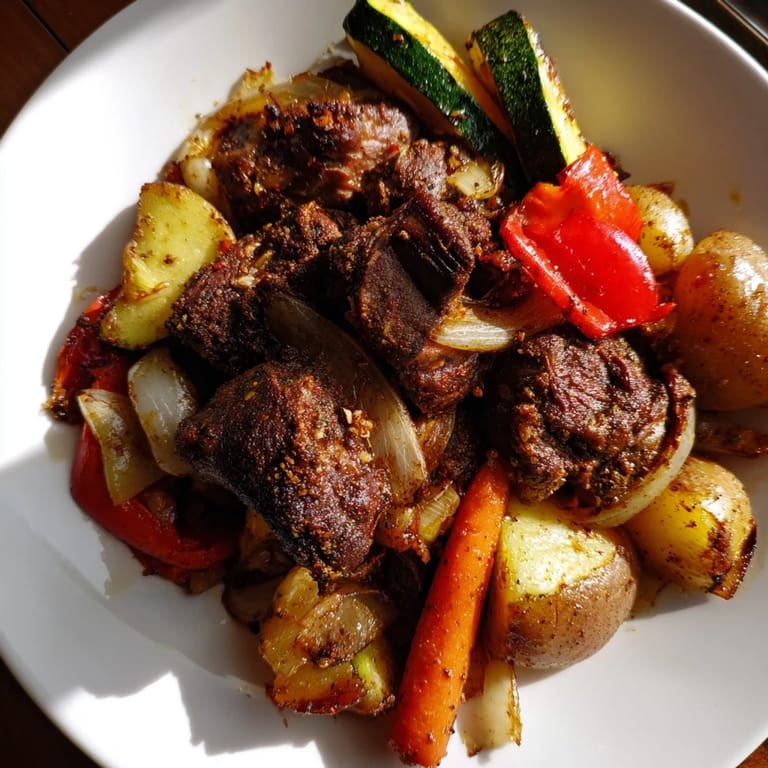
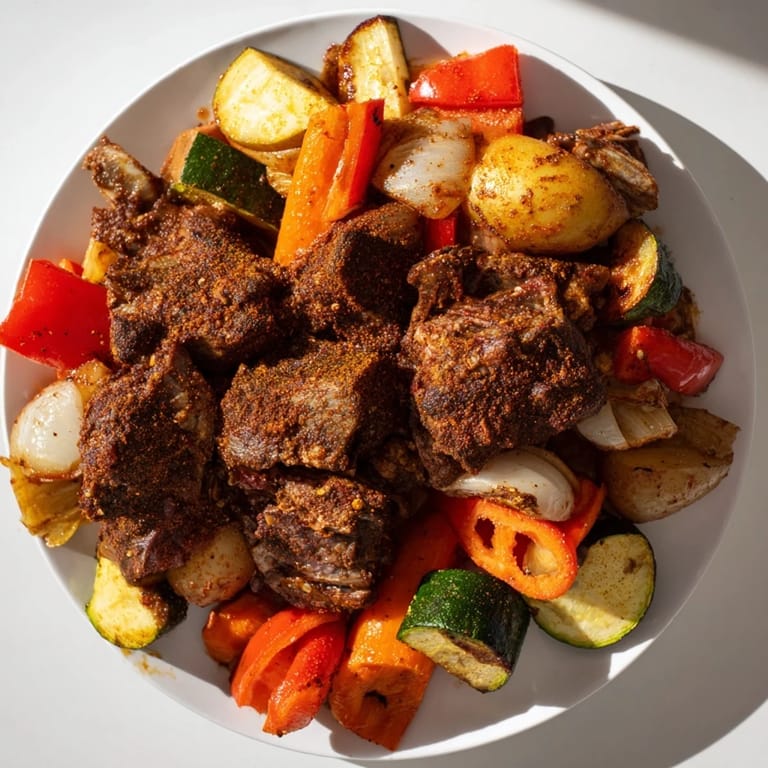
- Potatoes, carrots, onions, zucchini, bell peppers, and tomatoes: Layer them under and around the meat so they catch all the dripping flavors—this is where the magic happens.
- Long-grain rice, broth, butter, and salt (optional): Rice soaks up every last drop of those cooking juices and turns golden and fragrant.
Tired of Takeout? 🥡
Get 10 meals you can make faster than delivery arrives. Seriously.
One email. No spam. Unsubscribe anytime.
Instructions
- Make the marinade and coat the meat:
- Whisk together olive oil, cumin, coriander, cinnamon, paprika, pepper, salt, minced garlic, and lemon juice until it smells absolutely incredible. Massage this mixture into your meat chunks as if you're coaxing them to relax—this is the foundation for everything that follows. Let it sit for at least an hour, though overnight is when the spices really settle into the fibers.
- Prep your vegetables:
- Peel and cut everything into substantial pieces—you want them hearty enough to hold together during the long cook. Toss them gently with a little olive oil, salt, and pepper so they're evenly coated.
- Arrange everything for cooking:
- Place the marinated meat on a wire rack or roasting tray, then nestle the vegetables all around and underneath it. This layering means the vegetables get seasoned from above by dripping juices while steaming from below.
- Seal and slow-cook:
- Cover everything tightly with foil (or banana leaves then foil for tradition's sake) so steam gets trapped and can't escape. Bake at 180°C for 2.5 hours, or if you have access to an underground pit, let it rest there covered with hot coals and sand.
- Make the rice while waiting:
- Combine rinsed rice, broth, butter, and salt in a saucepan and bring to a boil. Reduce heat, cover, and let it simmer gently for 15–20 minutes until the grains are fluffy and the liquid has been absorbed.
- Serve with ceremony:
- Carefully open the foil to release that first glorious plume of steam. Transfer the meat and vegetables to a large platter, optionally over the rice, and drizzle everything with the collected juices.
 Save
Save What struck me most wasn't just how delicious it was, but how it became this moment where people slowed down and actually talked to each other. The dish demanded that—you can't rush through something this tender and thoughtful. It turned a regular dinner into something memorable, which is exactly what food should do.
The Spice Blend That Changes Everything
The genius of zarb lies in how those five spices work together—cinnamon brings sweetness, cumin adds earthiness, coriander smooths everything, paprika contributes smokiness, and pepper keeps it all honest. I once tried omitting the cinnamon to simplify things, and the dish lost an entire dimension I didn't even know was there. Now I measure these out first, smell them together, and trust that combination completely.
Why an Underground Oven Isn't Required
A traditional zarb pit creates incredible flavor through direct heat and smoke, but a home oven with properly sealed foil captures nearly everything that matters—the steam, the slow temperature, the way flavors meld together. The one thing you'll miss is the actual smoke, but the spice rub compensates for that. I've served this at potlucks where people swore it came from a smoker, when really it just came from my regular kitchen.
Storage and Serving Suggestions
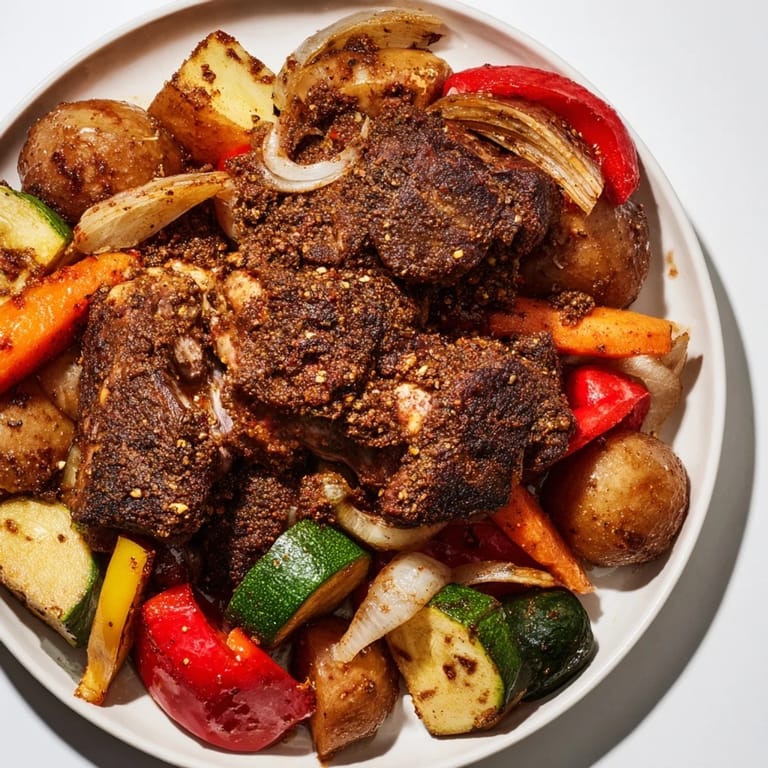
Leftover zarb keeps for three days in the fridge and actually tastes deeper the next day, making it perfect for meal prep. Reheat gently on the stovetop with a splash of water to revive the moisture, and serve with warm flatbread, tangy yogurt sauce, or fresh salad to balance the richness. This dish pairs beautifully with mint tea afterward, or a full-bodied red wine if you prefer something more formal.
- Warm it slowly over medium heat so the meat stays tender instead of drying out.
- Add fresh herbs like parsley or cilantro on top right before serving for brightness.
- Make extra rice to soak up every last drop of sauce on your plate.
 Save
Save Make this dish when you have people you want to linger with, because it creates that kind of moment. It's simple enough to feel approachable and special enough to matter.
Recipe Questions & Answers
- → What type of meat is best for Jordanian Zarb?
Lamb shoulder or bone-in chicken pieces work best as they remain tender during slow cooking.
- → Can I prepare the dish without an underground oven?
Yes, a conventional oven at 180°C (350°F) replicates the slow-cooking process effectively.
- → How long should the meat marinate?
For optimal flavor, marinate the meat for at least 1 hour, though overnight is preferred.
- → What vegetables are typically included?
Potatoes, carrots, onions, zucchinis, bell peppers, and tomatoes are commonly used for balanced taste and texture.
- → Is it necessary to use banana leaves for wrapping?
Banana leaves add authenticity and help trap steam, but heavy-duty aluminum foil is an effective alternative.
- → What side is usually served with Jordanian Zarb?
Fluffy long-grain rice cooked in broth often accompanies the dish, enhancing its hearty nature.