 Save
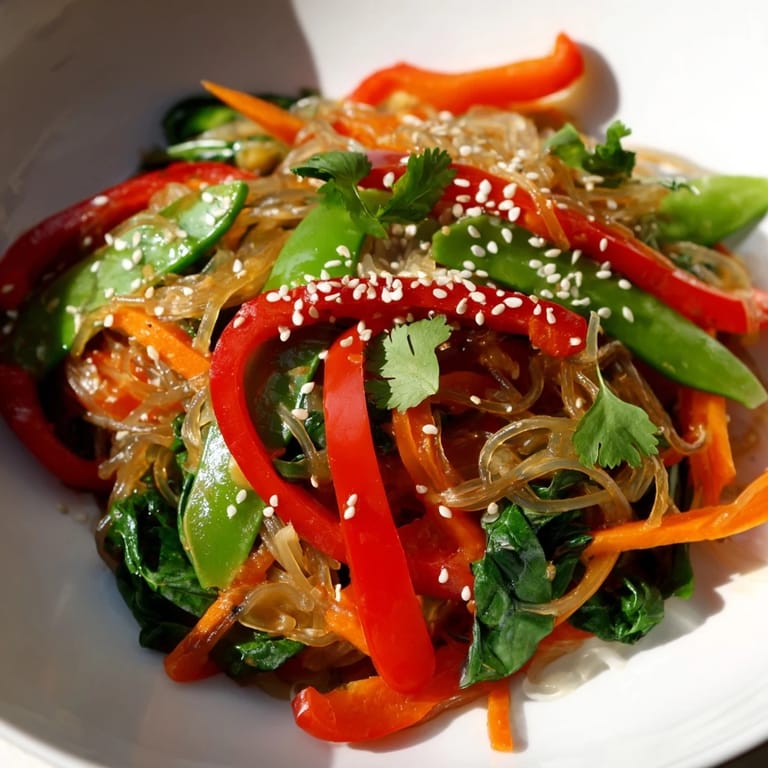
Save The first time I worked with kelp noodles, I kept prodding them with my chopsticks, convinced something that crunchy couldn't possibly be edible. But then I took that first bite, the slight snap against my teeth, the way they carried that ginger-sesame sauce, and suddenly I understood what all the health food enthusiasts had been raving about. This isn't just diet food, it's texture paradise.
My sister came over last month, skeptical as she watched me rinse these translucent noodles. She's the kind of person who thinks salad is sad, but halfway through her bowl, she actually looked up and asked if I could teach her how to make it. Now she texts me photos of her own versions, sometimes with extra vegetables she found at the farmers market, sometimes exactly as written.
Ingredients
- 12 oz (340 g) kelp noodles: These need a warm water bath to soften from their too-crunchy state, but don't expect them to get mushy, that persistent texture is the whole point
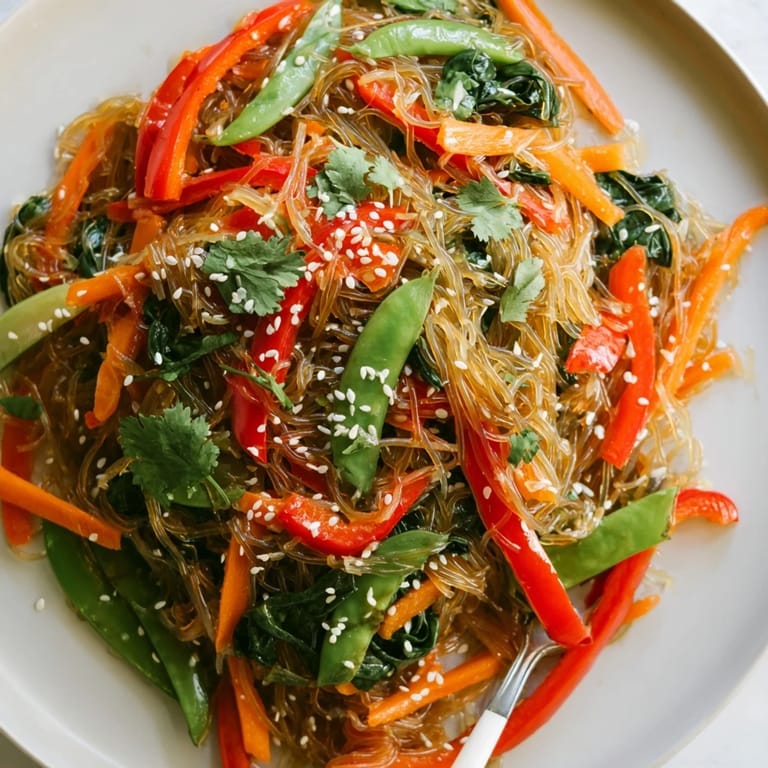
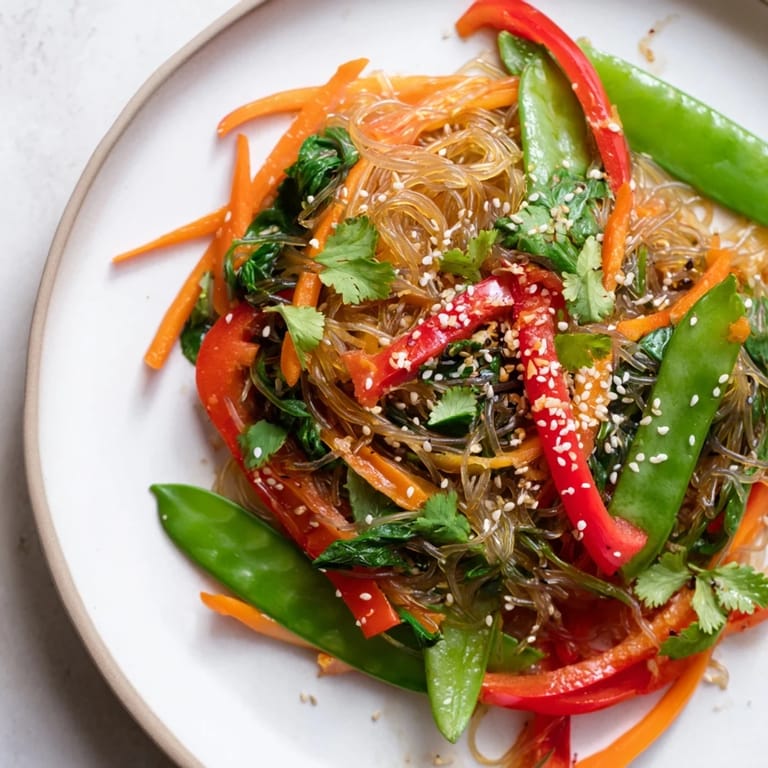
- 1 red bell pepper, thinly sliced: The sweetness here balances everything else, so slice them thin enough that they'll cook quickly but thick enough to keep some bite
- 1 cup (100 g) snap peas, trimmed and halved: Fresh snap peas add this incredible sweetness and crunch, nothing else quite does the job in a stir fry
- 1 medium carrot, julienned: I use a vegetable peeler to make long ribbons instead of matchsticks, they curl beautifully in the pan and pick up more sauce
- 2 cups (120 g) baby spinach: This wilts down to almost nothing but adds color and nutrition, toss it in last so it doesn't turn into complete mush
- 2 green onions, sliced: Both the white and green parts go in, but I slice them separately so I can add the whites earlier for more flavor
- 2 tbsp tamari or low-sodium soy sauce: Tamari if you need gluten-free, otherwise whatever good quality soy sauce you have in your fridge works perfectly
- 1 tbsp toasted sesame oil: This is your main flavor driver, so don't skip the toasted kind, the raw stuff just doesn't have the same depth
- 1 tbsp rice vinegar: Just enough brightness to cut through the sesame oil, nothing too aggressive here
- 1 tbsp fresh ginger, finely grated: Fresh makes all the difference, and I grate it right into the sauce bowl so none of that precious juice escapes
- 1 tbsp maple syrup or agave nectar: A little sweetness balances the salt and heat, maple syrup gives a slightly richer flavor
- 2 cloves garlic, minced: Mince this small so it doesn't burn in the hot pan, nobody wants bitter garlic bits in their dinner
- 1/2 tsp chili flakes: Optional if you're heat-averse, but that tiny kick makes every other flavor sing a little louder
- 1 tbsp toasted sesame seeds: Toast them yourself in a dry pan for 2 minutes, the difference between toasted and raw sesame seeds is night and day
- Fresh cilantro leaves: Some people hate it, but if you're a fan, this adds this fresh herbal note at the end that cuts through the richness
- Lime wedges: A squeeze right before serving makes everything pop, it's the finish that makes the whole dish feel complete
Tired of Takeout? 🥡
Get 10 meals you can make faster than delivery arrives. Seriously.
One email. No spam. Unsubscribe anytime.
Instructions
- Prep the noodles:
- Soak kelp noodles in a large bowl of warm water for 10 minutes while you prep everything else. Drain them well and they're ready to go, no cooking needed.
- Whisk the sauce:
- Combine tamari, sesame oil, rice vinegar, ginger, maple syrup, garlic, and chili flakes in a small bowl. Whisk until the maple syrup dissolves completely.
- Sauté the hard vegetables:
- Heat your skillet or wok over medium-high until it's good and hot. Add bell pepper, snap peas, and carrot, stir-frying for 3 to 4 minutes until they're bright and tender-crisp.
- Add the quick-cooking vegetables:
- Toss in spinach and green onions, keep everything moving for just 1 minute until the spinach wilts but still has some structure left.
- Bring it all together:
- Add the drained noodles and pour that sauce over everything. Toss for 2 to 3 minutes, making sure every strand and vegetable gets coated and heated through.
- Finish and serve:
- Divide into bowls and top with those toasted sesame seeds, cilantro if you're using it, and serve with lime wedges on the side for squeezing.
 Save
Save Last week I made this for a friend who's been trying to eat lighter, and she literally asked if there was a way to make it less healthy because it tasted too good to be good for you. That's the magic of kelp noodles though, they take on whatever flavor you give them while adding this totally addictive texture.
Making It Your Own
Sometimes I'll add cubed tofu or edamame if I want something more substantial, especially for dinner. The tofu soaks up that sauce beautifully, and edamame adds this great protein boost without changing the texture profile too much.
Sauce Variations
A spoonful of almond butter or peanut butter stirred into the sauce transforms this into something completely different, richer and more like a restaurant dish. I do this when I want it to feel more indulgent, like a treat rather than just a weeknight dinner.
Vegetable Swaps
The beauty here is that almost anything works. Broccoli florets, zucchini ribbons, sliced mushrooms, they all bring something different to the table. Use what you have, what looks good at the store, or whatever needs using up in your crisper drawer.
- Keep the heat high and keep things moving, that's how you get restaurant-quality texture at home
- Cut vegetables into similar sizes so everything cooks at the same rate
- Leftovers keep well for a day or two, though the noodles do soften up a bit in the fridge
 Save
Save This has become one of those recipes I make when I want something that feels light but still completely satisfying. The sort of meal that leaves you feeling nourished without weighed down.
Recipe Questions & Answers
- → What do kelp noodles taste like?
Kelp noodles have a very mild, neutral taste that readily absorbs surrounding flavors. Their appeal lies in the satisfying crunch they maintain, even when cooked.
- → Do I need to cook kelp noodles?
While kelp noodles can be eaten raw, soaking them in warm water for 10 minutes softens their texture and makes them more pleasant to eat in stir-fries.
- → Can I add protein to this dish?
Cubed tofu or edamame work beautifully. Simply add them when stir-frying the vegetables so they heat through and absorb the ginger sauce.
- → Is this dish spicy?
The chili flakes are optional. Without them, the dish has a gentle warmth from ginger and garlic. Add more or less depending on your preference.
- → How long do leftovers keep?
Store in an airtight container in the refrigerator for up to 3 days. The noodles may soften slightly but will still be delicious.
- → Can I substitute the vegetables?
Absolutely. Broccoli, zucchini, mushrooms, or shredded cabbage all work wonderfully in this preparation.