 Save
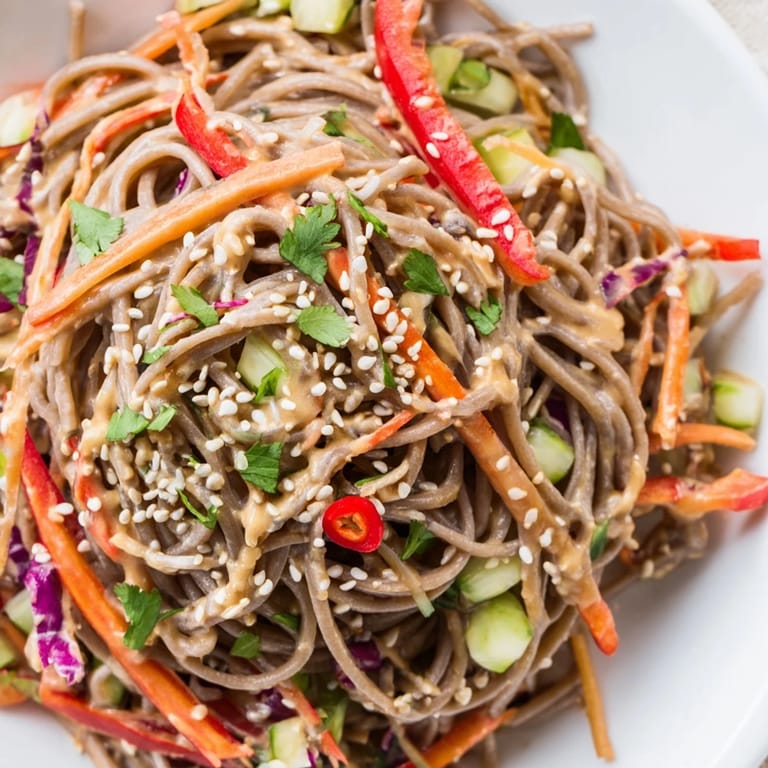
Save I discovered soba noodle salad on a sweltering afternoon when my kitchen felt too hot to breathe, let alone cook anything warm. A friend had dropped off a mason jar of this exact dish, and the moment I unscrewed that lid, the nutty aroma of sesame and the tangy whisper of vinegar hit me like a cool breeze. I took one bite straight from the jar, and suddenly summer felt manageable again. The tender noodles held onto every bit of that creamy, gingery dressing, and the vegetables stayed crisp enough to give my teeth something to do. From that day on, this salad became my answer to lazy, hot evenings when I wanted something that tasted like I'd actually tried.
I made this for a picnic once, packing it in a container with the dressing on the side, and watching people's faces light up when they realized it was vegetarian was quietly satisfying. Someone asked if there was fish sauce in the dressing because it tasted so umami-rich, and I loved getting to say no, just peanut butter and sesame oil doing the heavy lifting. That's when I realized this salad had a way of surprising people who expected less from a cold noodle dish.
Ingredients
- Soba noodles (250 g): Choose 100% buckwheat for the best nutty flavor and a gluten-free option, or the typical blend if you prefer a slightly softer texture and don't mind wheat starch.
- Carrot: Julienne it into matchsticks so it stays tender and absorbs the dressing without becoming mushy.
- Cucumber: Slice it thin enough to bend but thick enough to crunch, and pat it dry before mixing so excess water doesn't dilute your dressing.
- Red bell pepper: The sweetness balances the savory dressing, and those thin slices cook down just slightly when dressed.
- Spring onions: Use both white and green parts for layers of onion flavor without overwhelming anything.
- Red cabbage: This is your crunch insurance—it won't go soggy even after a day in the fridge.
- Peanut butter or tahini: Smooth is essential here; chunky styles make the dressing gritty and impossible to coat the noodles evenly.
- Soy sauce: The salt and umami foundation that makes everything taste intentional.
- Rice vinegar: Mild enough not to overpower but bright enough to keep the dressing from feeling heavy.
- Toasted sesame oil: A little goes a long way—this is the flavor that lingers and makes people ask what's in it.
- Maple syrup or honey: Just a touch to round out the sharp edges and let the other flavors sing.
- Fresh ginger: Grate it fine so you get that peppery heat distributed evenly, not in harsh chunks.
- Garlic: One small clove is enough; too much and it drowns out the sesame.
- Toasted sesame seeds: Buy them already toasted or toast them yourself in a dry pan for 2 minutes—the difference in flavor is remarkable.
- Fresh cilantro: Optional but transformative, especially if you're serving this to people who love herbaceous food.
- Red chili: Slice it paper-thin and seed it unless you want serious heat.
Tired of Takeout? 🥡
Get 10 meals you can make faster than delivery arrives. Seriously.
One email. No spam. Unsubscribe anytime.
Instructions
- Boil the noodles until they're just tender:
- Bring a large pot of water to a rolling boil and add soba noodles, stirring gently so they don't stick. They'll cook in about 5 to 7 minutes, depending on the package—when one noodle bends easily but still has a whisper of resistance, they're done.
- Rinse them cold and drain thoroughly:
- This stops the cooking immediately and rinses away the starchy coating that makes noodles clump. Hold them under cold running water for about a minute, tossing gently with your fingers, then let them sit in the colander for a few minutes so excess water drips away.
- Build your dressing while the noodles cool:
- In a large bowl, whisk peanut butter, soy sauce, rice vinegar, sesame oil, maple syrup, ginger, and garlic together. Start with 1 tablespoon of water and add more gradually while whisking until the dressing slides smoothly off your whisk but still coats the back of a spoon.
- Combine everything and toss with intention:
- Add the cooled noodles and all the vegetables to the bowl with your dressing. Use two forks or your hands to toss everything together, making sure the dressing reaches all the noodles and vegetables get evenly distributed—this takes about 2 minutes of gentle but thorough mixing.
- Plate, garnish, and taste as you go:
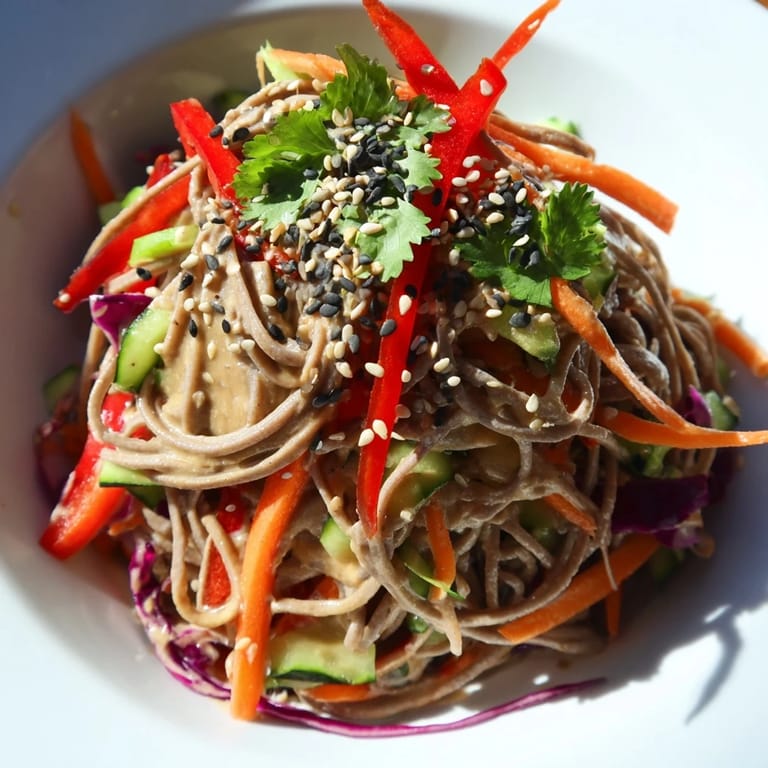
- Divide into bowls and scatter sesame seeds, cilantro, and chili over the top. Squeeze lime wedges over everything and taste a bite—you might want a touch more vinegar or a pinch of salt depending on your ingredients.
 Save
Save There's something about feeding people a cold salad on a hot day that feels like an act of kindness. I've served this to friends who said they were too stressed to eat and watched them relax halfway through the first bite, shoulders dropping, conversation flowing easier. That's when a simple noodle salad becomes something more.
Making the Dressing Your Own
The beauty of this dressing is how flexible it is without losing its character. I've swapped tahini for peanut butter on mornings when I didn't have peanut butter, and it tasted more delicate, less assertive—perfect for when you want sesame to be the star. Almond butter works too, though the flavor sits somewhere between nutty and sweet, which some people prefer. The ginger-garlic base is what anchors everything, so don't skip those or you'll lose the personality.
Vegetables That Work Beyond the Basics
While carrot, cucumber, and bell pepper are the foundation, this salad is secretly a vehicle for whatever vegetables are in your crisper drawer. I've thrown in shredded daikon radish for extra crunch, thinly sliced celery for a surprise of bitterness, and even blanched green beans for something more substantial. The key is keeping everything in thin, bite-sized pieces so it dresses evenly and doesn't compete with the noodles.
Storage and Serving Ideas
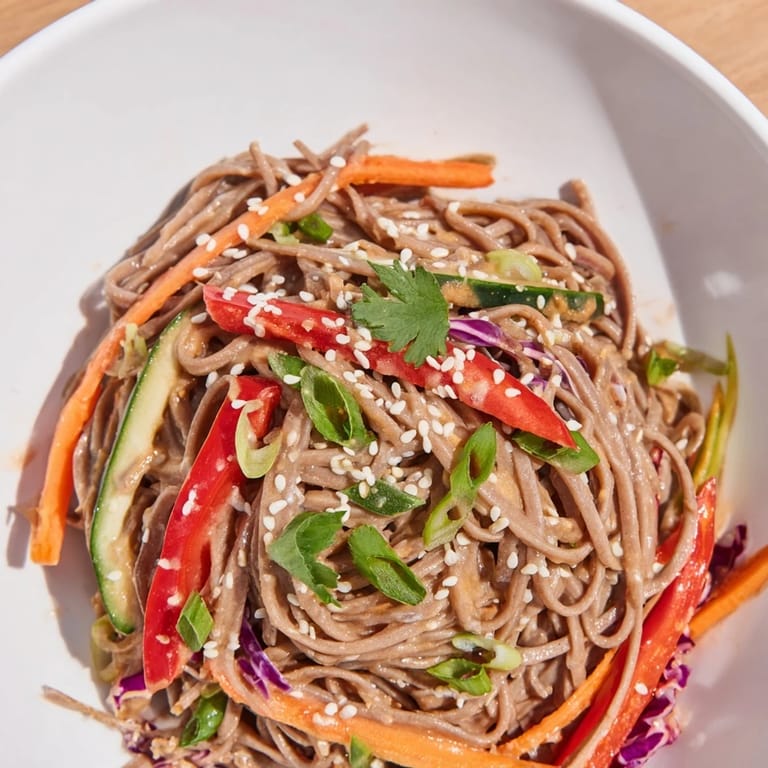
This salad genuinely improves if you let it sit for a few hours after tossing, giving the noodles time to absorb the dressing more deeply. It keeps well in the fridge for up to 2 days, though the vegetables lose some crispness by day three, which is fine if you like a softer texture. Refresh it with a squeeze of lime juice and a sprinkle of fresh sesame seeds just before eating.
- Meal prep tip: Keep the noodles, vegetables, and dressing in separate containers and assemble the night before you want to eat it.
- To make it heartier, top each bowl with a soft-boiled egg, some crispy tofu cubes, or shredded cooked chicken.
- Leftovers can be wrapped in lettuce cups or tucked into a rice bowl the next day for something that feels almost like a new meal.
 Save
Save At its core, this is a salad that asks nothing of you but a few minutes of attention and delivers something that tastes both comforting and bright. I hope it becomes one of those recipes you make so often you don't need to check the amounts anymore.
Recipe Questions & Answers
- → How do I prevent soba noodles from sticking?
Rinse the cooked soba noodles thoroughly under cold water to remove starch and chill them. This stops cooking and prevents clumping.
- → Can I substitute peanut butter in the dressing?
Yes, use tahini for a sesame-flavored alternative or to avoid nuts while keeping the creamy texture.
- → How long can this salad be stored?
Store in the refrigerator up to 2 days. Refresh by adding a squeeze of lime before serving.
- → Is this dish gluten-free?
Use 100% buckwheat soba noodles and tamari instead of soy sauce for a gluten-free version.
- → What proteins can be added to enhance this dish?
Options like grilled tofu, edamame, or shredded chicken complement the salad and boost protein content.