 Save
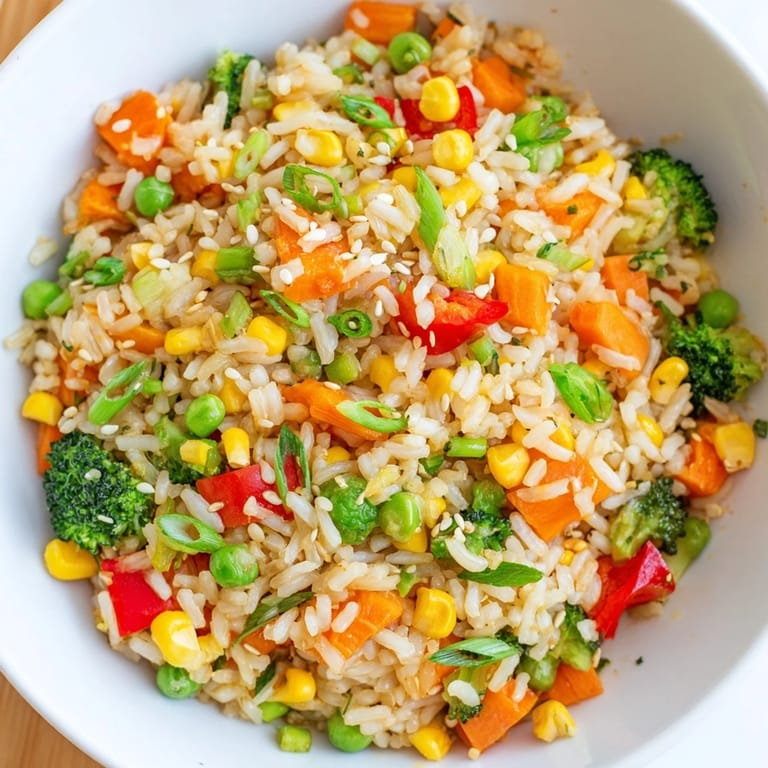
Save There's something almost meditative about the sizzle of a hot wok, the way vegetables transform in seconds from raw to just-right tender. I learned to make fried rice during a chaotic weeknight when I had leftover rice and a handful of vegetables that needed rescuing from the back of the crisper drawer. What started as necessity became one of my most-reached-for meals, the kind that feels both comforting and exciting at the same time.
I'll never forget the first time I made this for friends who were skeptical that homemade fried rice could rival their favorite spot downtown. The moment they tasted it, the conversation just stopped, and that pause said everything. Now when they ask what I'm bringing to gatherings, they specifically request this, and I realized it's because they taste the care in how the vegetables stay crisp and the way the soy sauce coats every grain of rice perfectly.
Ingredients
- Cooked jasmine or long-grain rice (3 cups, day-old and cold): Day-old rice is your secret weapon here—fresh, warm rice will turn mushy and clumpy, but cold rice grains stay beautifully separate and toasted-looking when they hit the hot wok.
- Carrots, diced (1 cup): They add natural sweetness and a satisfying crunch; cutting them into small, uniform pieces means they'll cook evenly and look gorgeous scattered throughout.
- Bell pepper, diced (1 cup): Pick whatever color makes you happy, but I love using red for brightness and a subtle sweetness that plays against the savory soy sauce.
- Frozen peas, thawed (1 cup): These are more convenient than fresh, and thawing them beforehand prevents watery, overcooked peas from dampening your rice.
- Broccoli florets, small (1 cup): The smaller the florets, the quicker they cook and the more they blend into the rice without overwhelming it.
- Sweet corn kernels (1/2 cup): Fresh or frozen both work beautifully, adding pops of sweetness and a tender bite.
- Green beans, chopped (1/2 cup): They keep their slight firmness even with quick cooking, providing a nice textural contrast.
- Green onions, sliced (3, with some reserved for garnish): Most go into the wok for flavor, but those reserved pieces at the end brighten everything up with fresh onion bite and visual appeal.
- Garlic, minced (2 cloves): Mincing finely means it won't overpower, just perfume everything with that warm, savory depth.
- Ginger, minced (1-inch piece): Fresh ginger wakes up your palate and adds a subtle warmth that takes this from plain to genuinely special.
- Soy sauce (3 tbsp): This is your primary seasoning; use tamari if you need gluten-free, and don't skip it just to reduce sodium—the flavor depends on it.
- Sesame oil (1 tbsp): A little goes a long way here, and the nutty aroma it brings is unmistakable and essential.
- Vegetable oil (1 tbsp): Use neutral oils like canola or sunflower for high-heat cooking without any competing flavors.
- Toasted sesame seeds, optional (1 tsp): A finish that adds a hint of nuttiness and looks professionally garnished.
- White or black pepper (1/2 tsp): White pepper blends seamlessly into light-colored rice; black pepper is more visible, so it depends on your preference.
- Salt, to taste: Always taste at the end and adjust; the amount you need depends on how salty your soy sauce is and your personal preference.
Tired of Takeout? 🥡
Get 10 meals you can make faster than delivery arrives. Seriously.
One email. No spam. Unsubscribe anytime.
Instructions
- Get your wok screaming hot:
- Heat your vegetable oil over medium-high heat until it shimmers and moves like water across the surface. You're aiming for that moment right before it starts to smoke—that's when you know it's ready to work magic on your vegetables.
- Awaken the garlic and ginger:
- Add your minced garlic and ginger and let them sizzle for just 30 seconds, stirring constantly. This brief moment is everything; any longer and they'll burn and turn bitter, any shorter and they won't release their fragrance.
- Get the vegetables dancing:
- Toss in the carrots, bell pepper, broccoli, green beans, and corn all at once. Keep everything moving in the wok for 3 to 4 minutes; you want them just tender but still with a slight snap when you bite them.
- Finish the vegetables:
- Add the thawed peas and most of the green onions, stirring for just 1 more minute. The peas are already cooked, so they just need warming through.
- Bring in the rice like a main character:
- Crank the heat to high and add your cold cooked rice. Break up any clumps with your spatula as you stir-fry for 2 to 3 minutes until the rice is heated through and every grain looks slightly golden and separate.
- Season it perfectly:
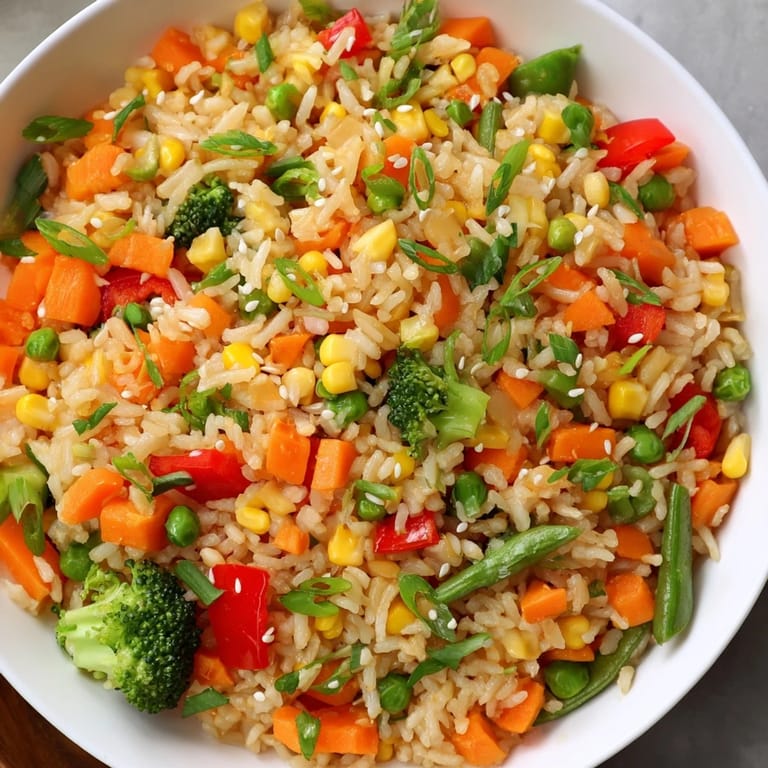
- Drizzle the soy sauce and sesame oil over the rice and sprinkle with pepper. Toss everything together thoroughly until the sauce coats every grain and the color is even throughout.
- Taste and adjust:
- Take a bite straight from the wok. Does it need more salt, more soy sauce, a hint more ginger? This is your moment to make it exactly right for your palate.
- Finish with finesse:
- Remove from heat and scatter those reserved green onions and sesame seeds across the top. Serve immediately while it's still steaming.
 Save
Save One evening, my sister came home from a stressful day at work and found me making this exact dish in the kitchen. The aroma alone seemed to shift something in her mood—she sat on the counter and told me it smelled like possibility. That's when I understood that fried rice isn't just dinner; it's a moment where simple ingredients become something that can actually heal you a little.
Vegetable Variations That Make It Feel New
The beauty of fried rice is that it adapts to whatever you have or whatever you're craving. I've made it with mushrooms and zucchini on nights when I needed something earthier, and it's equally magical. Some of my best batches came from adding snap peas instead of green beans, or throwing in diced water chestnuts for a crisp surprise. The formula stays the same—heat, fresh vegetables, cold rice, and bold seasoning—but the personality changes completely depending on what's in season or what's in your crisper.
The Science of Why This Works
There's real cooking logic behind why this recipe turns out so well. The high heat means your vegetables cook quickly enough to stay crisp and keep their vitamins and color, while the cold rice doesn't clump because the starches have already set. The soy sauce and sesame oil coat everything with deep savory flavor in a way that feels indulgent without being heavy. Even the order of cooking matters—softer vegetables like peas go in last so they don't get overcooked and mushy, while dense vegetables like carrots get the most time in the heat.
How to Make It Even More Special
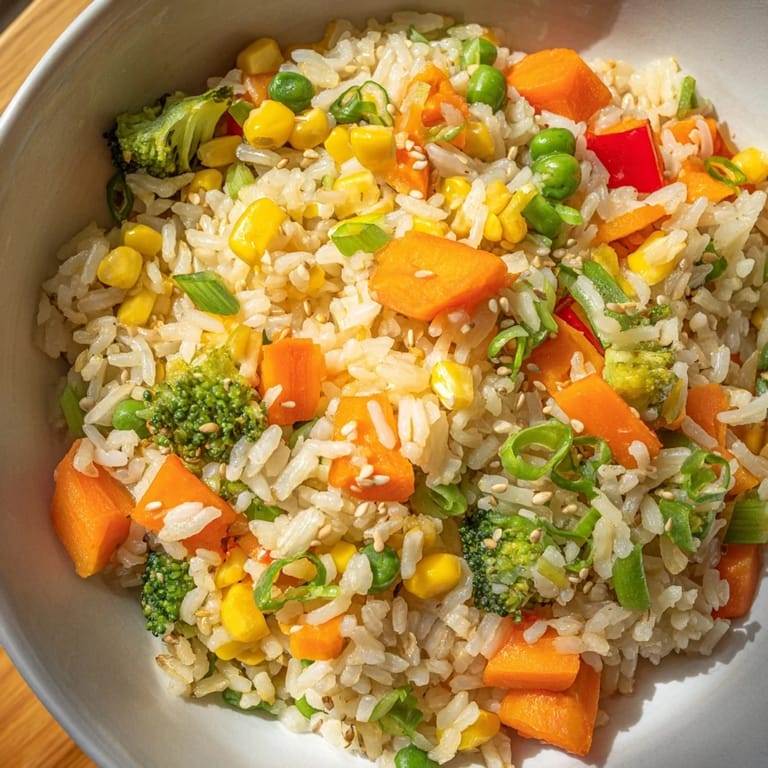
While this is perfect as written, I've discovered a few ways to push it further depending on your mood or what you're serving alongside it. Sometimes I add a scrambled egg or two for extra protein and richness, stirring it in right before the soy sauce. Other nights I'll add a dash of chili sauce if I want heat, or even a splash of white vinegar for brightness. The foundation is so solid that these additions feel like accents rather than fixes.
- For protein, scramble an egg and fold it in just before seasoning, or cube some tofu and let it get golden and crispy in the wok first.
- If you want heat, a teaspoon of chili sauce or a small handful of chopped fresh chili added with the ginger brings real excitement.
- Always start with less soy sauce and add more if needed, because it's easier to add than to fix if you oversalt.
 Save
Save This dish has taught me that home cooking doesn't need to be complicated to be genuinely delicious. Every time I make it, I'm reminded that the best meals are the ones built from attention and care, cooked in a hot wok with someone you love waiting to eat it.
Recipe Questions & Answers
- → What type of rice works best?
Day-old jasmine or long-grain rice prevents clumping and ensures a perfect stir-fry texture.
- → Can I use different vegetables?
Yes, swap or add mushrooms, zucchini, or snap peas to suit your taste preferences.
- → How to add protein to this dish?
Incorporate scrambled eggs or tofu cubes during stir-frying for added protein.
- → How do I prevent soggy rice?
Use cold, day-old rice and avoid stirring continuously to maintain firmness and separation.
- → What gives this dish its flavor?
Garlic, ginger, soy sauce, and sesame oil create the savory and fragrant base for the vegetables and rice.
- → Can I make this gluten-free?
Use tamari instead of soy sauce to keep the dish gluten-free without sacrificing flavor.