 Save
Save The first time I made hollandaise sauce in a blender, the kitchen was chaotic — there was a timer beeping for the coffee, spring sunlight streaming across the counter, and moments later, the most luxurious, sunny sauce poured out. The aroma of melted butter mingled with sharp lemon, and I was astonished how such elegance could come together in under five minutes. That small miracle of speed and silkiness has stuck with me ever since. There's a thrill in watching the bright yolks whir into something velvety and golden. No more double-boilers or frantic whisking — just click, blend, and it's brunch magic.
One Sunday, my friend dropped by unexpectedly with fresh asparagus in tow, and I managed to whip up this hollandaise before the kettle even boiled. We ended up lingering around the kitchen island, each dunking steamed spears and scraping our plates, inhaling the sauce before we realized how much we'd enjoyed it. That casual brunch felt like a tiny holiday in the middle of an otherwise ordinary day.
Ingredients
- Unsalted butter: Use high-quality butter for a rich flavor and melt it until bubbling hot but not browned — it makes all the difference for a glossy sauce.
- Egg yolks: Fresh yolks not only color the sauce beautifully but give it the authentic, velvety texture I crave.
- Fresh lemon juice: The squeeze of lemon brightens the sauce instantly, and I've learned it helps balance the butteriness.
- Dijon mustard (optional): A little Dijon gives extra stability and a subtle kick — handy if you're nervous about sauces breaking.
- Salt: Just a pinch brings out all the other flavors, but taste as you go to avoid overdoing it.
- Cayenne or black pepper: Just a hint adds warmth; I've found cayenne especially perks up the whole sauce without making it spicy.
Tired of Takeout? 🥡
Get 10 meals you can make faster than delivery arrives. Seriously.
One email. No spam. Unsubscribe anytime.
Instructions
- Melt the Butter:
- Heat the butter in a small saucepan or microwave-safe bowl until it is hot, foamy, and completely melted, but don't let it brown — listen for the soft bubbling sound.
- Prepare the Yolks:
- Add egg yolks, lemon juice, Dijon mustard (if using), salt, and a pinch of cayenne or black pepper to your blender — the mixture will look bright and thick.
- Blend to Combine:
- Blend everything on medium speed for about 10 seconds; you'll see the yolks lighten and smooth out.
- Emulsify with Butter:
- With the blender running low, slowly pour in the hot melted butter in a very thin, steady stream — it should thicken into a lush, pale yellow sauce within 20 to 30 seconds.
- Taste and Adjust:
- Turn off the blender and check for seasoning or tang; add more lemon or a pinch of salt if you want, then blend one last time before serving right away.
 Save
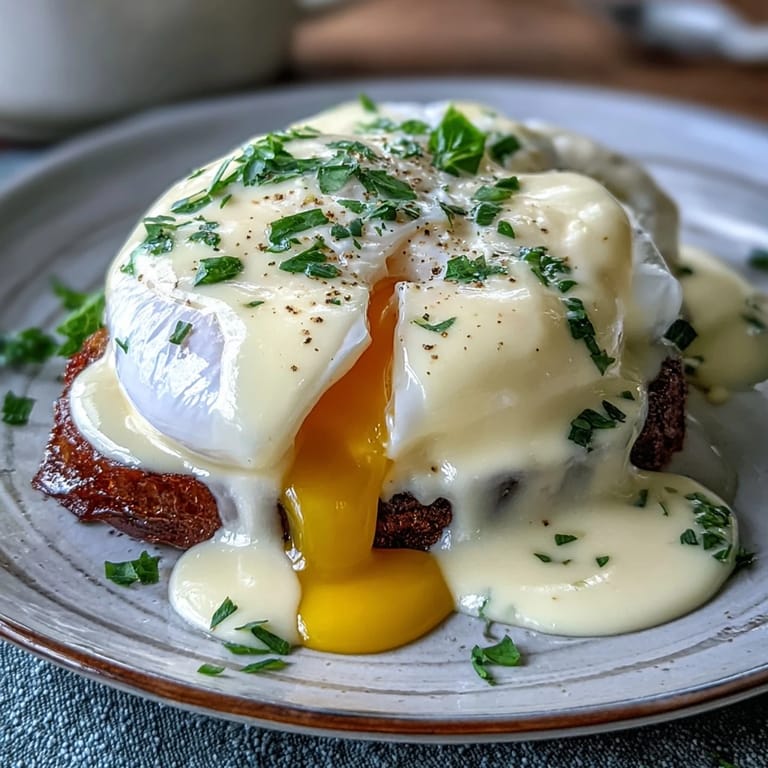
Save Watching everyone scoop the last drops of hollandaise from the bowl with torn bread at Easter brunch made me realize how a simple sauce can turn breakfast into celebration. There's something special in those glossy ribbons, especially when they're coaxed from a blender with no stress at all.
Making It Your Own
I've experimented with swapping half of the butter for a light, neutral oil for a less rich sauce — it still turns out beautifully, bright and pourable. A sprinkle of chopped tarragon, chives, or a splash of hot sauce jazzes up the classic if you're feeling playful. Just remember to keep the sauce fairly warm (never hot), or it starts to thicken in surprising ways.
Tools That Make It Easier
Using a sturdy blender guarantees a smooth, lump-free hollandaise every time, and a microwave-safe jug for the butter means one less pan to wash. If you want to hold the sauce for a bit, just sit the blender jug in a bowl of warm water while you prep everything else. That trick has rescued me from last-minute brunch chaos more than once.
Serving Suggestions that Always Impress
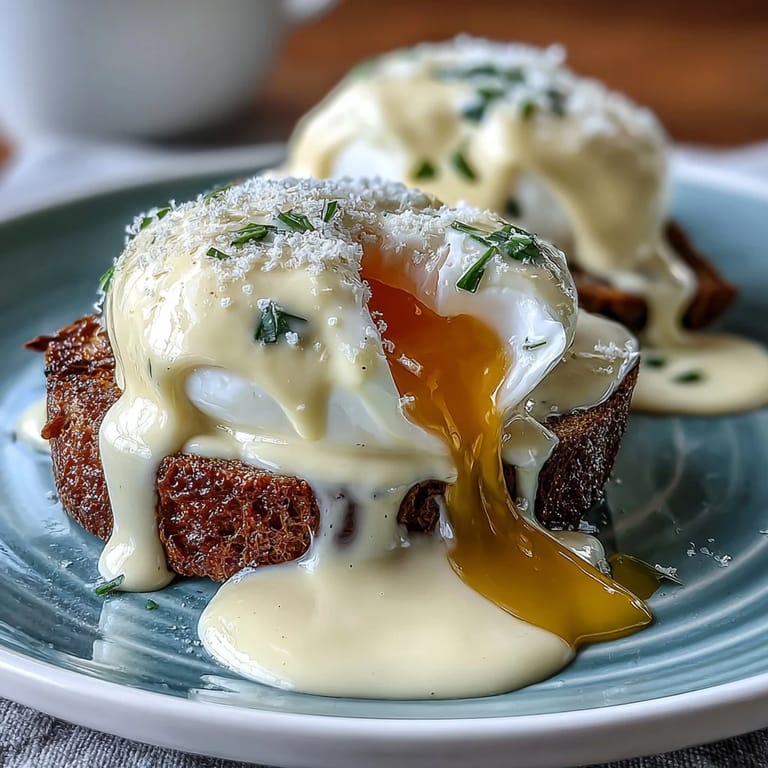
Besides eggs Benedict and warm asparagus, I've drizzled this sauce over roasted potatoes and even grilled fish for an instant upgrade. The color and glossy texture always get a comment or two, especially when guests guess how much work you must have put in (if only they knew). It’s also wonderful spooned on artichoke leaves at spring parties.
- If the sauce thickens, a tablespoon of hot water quickly smooths it out.
- For a crowd, double the recipe — your blender can handle it.
- Watch the butter closely so it never browns or burns.
 Save
Save Sometimes the simplest sauces make the biggest memories — pour generously, and don't be surprised if it disappears faster than you expect.
Recipe Questions & Answers
- → How does the blender method create a stable emulsion?
The blender rapidly disperses hot butter into the yolks and acid, creating tiny fat droplets suspended in the emulsion. A slow, steady drizzle of butter while blending helps the mixture thicken and hold together.
- → Can I use whole eggs instead of yolks?
You can use whole eggs, but yolks give a richer, more stable sauce. Whole eggs produce a looser texture and increase the risk of separation, so proceed gently if substituting.
- → Why does hollandaise sometimes split and how do I fix it?
Splitting happens when the fat is added too quickly or the temperature is off. Rescue it by adding a tablespoon of warm water while blending or start with a fresh yolk in a clean blender and slowly incorporate the broken sauce.
- → How long can I store leftovers and how should I reheat?
Store tightly covered in the refrigerator for up to 24 hours. Reheat gently by whisking over a warm water bath or briefly blending with a little hot water; avoid direct high heat to prevent curdling.
- → Can I use clarified butter or oil for a lighter version?
Clarified butter works well and reduces milk solids; for a lighter finish, use half butter and half a neutral oil. Mustard also adds stability if you prefer a thinner texture.
- → Is the blender method safe given the eggs used?
Using fresh, high-quality eggs reduces risk. The hot melted butter slightly raises temperature, but if you need extra safety, use pasteurized eggs or heat gently after emulsifying while stirring constantly.