 Save
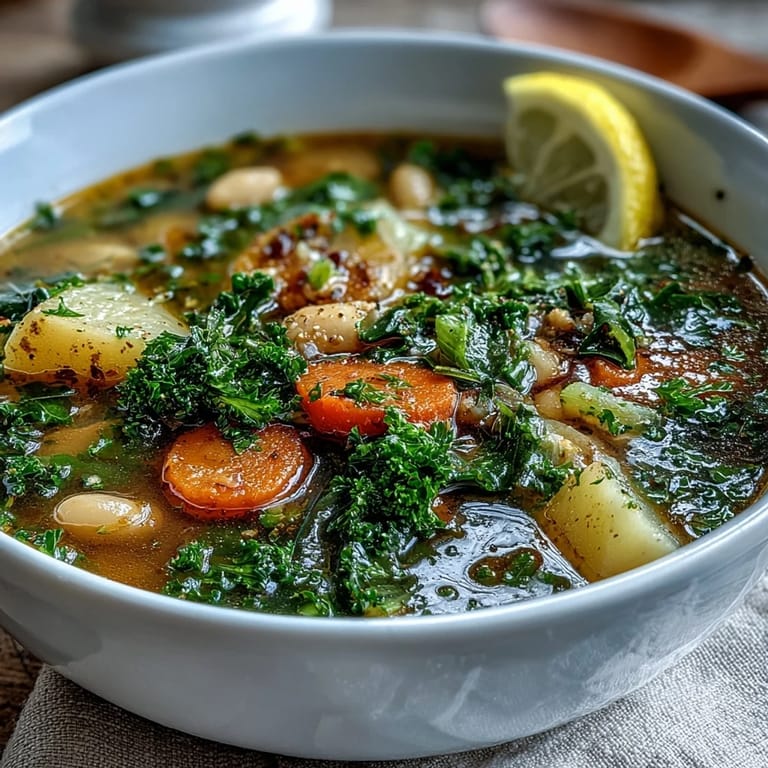
Save My neighbor showed up one October morning with a bag of kale from her garden, still wet with dew, and I suddenly understood why people got excited about this leafy green. I'd always found it a bit intimidating, honestly, but that day I turned it into soup, and something clicked. The way the leaves softened into the broth, how the humble root vegetables created this natural sweetness—it felt less like cooking and more like assembling something that wanted to nourish you. Now I make this whenever I need to feel grounded, especially when the weather turns cool.
I made this for my mom during her wellness phase, and she actually came back for seconds, which tells you something. She's not one to rave about vegetables, but something about the warm spices and the way the lemon brightens everything at the end made her pause mid-bowl. I watched her actually taste it instead of just eating through it, and that moment of her noticing what was happening in her own mouth felt like the whole recipe had done its job.
Ingredients
- Olive oil: Two tablespoons might seem modest, but it's enough to coax out the sweetness of your onions and garlic without making the soup heavy.
- Onion, garlic, carrots, and celery: This is your flavor foundation, and taking time to chop them relatively fine means they'll meld into the broth smoothly instead of remaining distinct chunks.
- Potato: One large potato acts as a subtle thickener and adds a natural creaminess that makes this soup feel more substantial than it is.
- Kale: Six cups sounds like a lot, but kale collapses dramatically during cooking, so don't be intimidated by the pile on your cutting board.
- Cannellini beans: Drain and rinse them thoroughly to remove the starchy liquid that can make your broth cloudy.
- Vegetable broth: Use low-sodium so you can control the salt level yourself, tasting as you go instead of fighting an overly salty base.
- Thyme and cumin: These spices whisper rather than shout, creating warmth without overpowering the clean taste of the vegetables.
- Lemon juice: This is the secret that wakes everything up at the end, cutting through richness you didn't even know was there.
Tired of Takeout? 🥡
Get 10 meals you can make faster than delivery arrives. Seriously.
One email. No spam. Unsubscribe anytime.
Instructions
- Heat your oil and soften the aromatics:
- Pour olive oil into your pot over medium heat and let it warm for a moment, then add your chopped onion. You'll know you're doing it right when the kitchen smells like caramelizing softness after about three minutes, and the onion pieces turn translucent at their edges.
- Build your vegetable base:
- Stir in the garlic, and listen for that immediate fragrance that tells you it's releasing its flavor. Add carrots, celery, and potato, stirring occasionally so nothing sticks, and let them soften together for about five minutes until the edges begin to look tender.
- Introduce the kale:
- Add your chopped kale to the pot, and you'll watch it wilt down in just a couple of minutes, transforming from a towering pile into something that actually fits in your pot. The leaves will soften and release their own subtle sweetness.
- Build the broth and simmer:
- Pour in your vegetable broth and add the thyme, cumin, salt, pepper, and red pepper flakes if you like a whisper of heat. Bring everything to a boil, then lower the heat and let it bubble gently, uncovered, for about twenty minutes until the vegetables are tender enough to break apart with your spoon.
- Add the beans and finish:
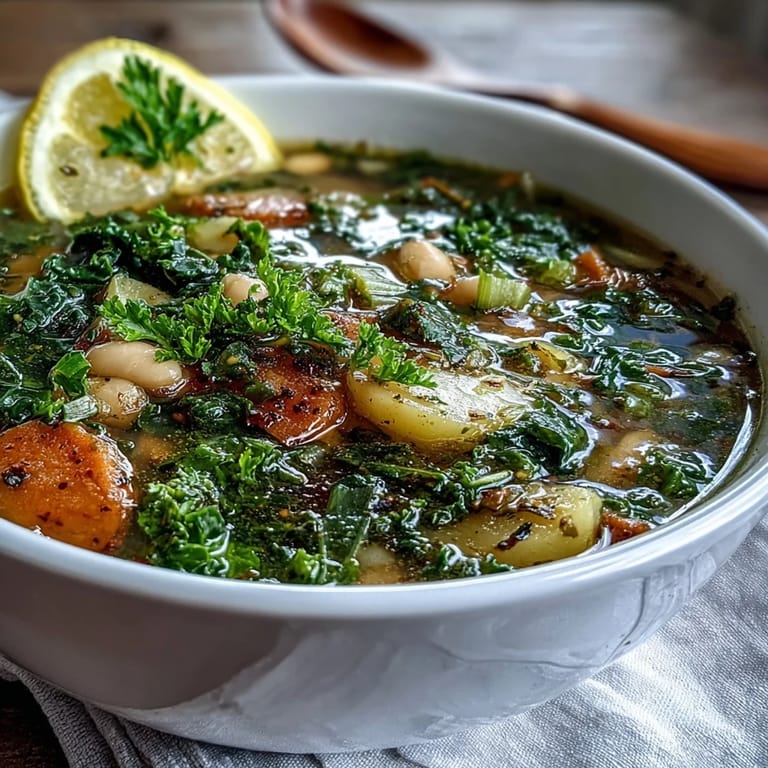
- Stir in your cannellini beans and let them warm through for five minutes, then taste the broth and adjust the seasonings. Squeeze in your lemon juice at the very end, stir it through, and watch how it brightens everything.
 Save
Save 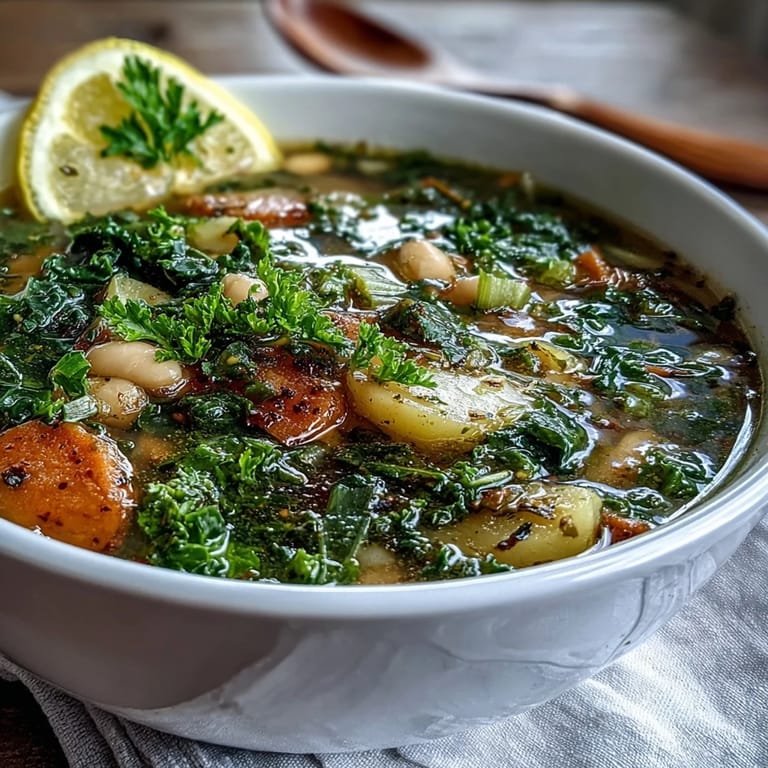 Save
Save There's something almost meditative about ladling this soup into bowls on a cool afternoon, watching the steam rise and knowing exactly what went into it. My friend who struggles with cooking confidence made this for her family without telling them what was in it, and they all asked for the recipe, which is when she realized she'd actually cooked something real.
Why Kale Is Worth Your Time
Kale used to feel like a punishment vegetable, something you were supposed to eat because it was healthy but didn't necessarily enjoy. Cooking it gently in broth with other vegetables changes that completely, making it tender and almost sweet. The bitterness softens into something more nuanced, and you stop noticing you're eating something green and start noticing how good it actually tastes.
The Magic of Root Vegetables
Carrots and potatoes do something really special in a pot of simmering broth, lending a natural sweetness that needs no added sugar. They also give the soup body and substance, making it feel like a meal rather than a light appetizer. When they soften and partially break down, they create a subtle creaminess that olive oil alone could never achieve.
Variations and Flexibility
This soup welcomes changes without losing its identity, and that's part of why it's become my go-to when I'm not sure what I'm making. Chickpeas or lentils work just as well as cannellini beans, and if you want to add some diced chicken for extra protein, it won't object. Some days I add a splash of coconut milk, other days I keep it clean and simple.
- Chickpeas will make the soup slightly creamier and earthier, while lentils add a little more texture.
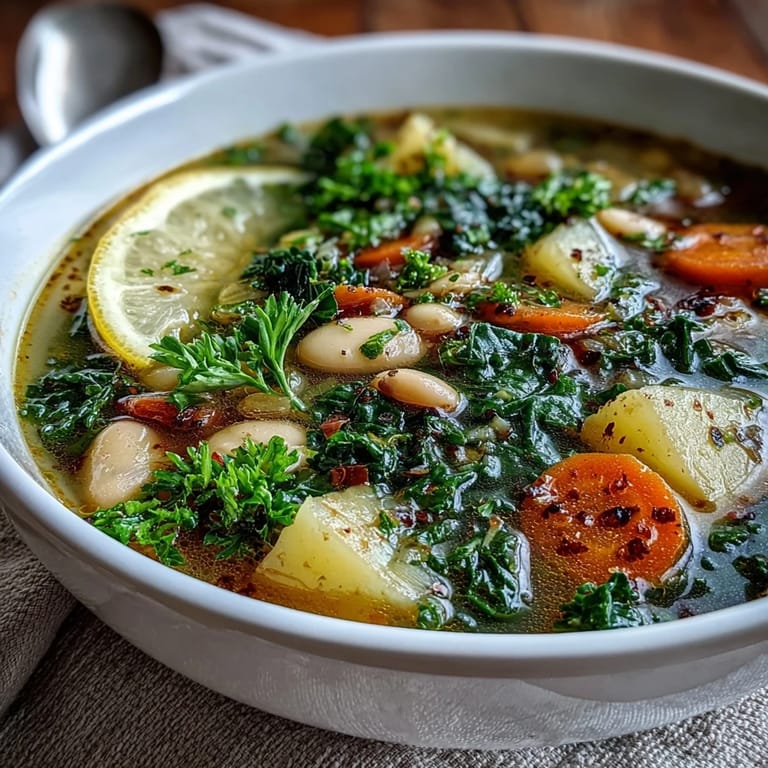
- If you want more richness, stir in a small handful of Italian parsley or a drizzle of good olive oil just before serving.
- Crusty bread on the side transforms this into something people will ask you to make again and again.
 Save
Save 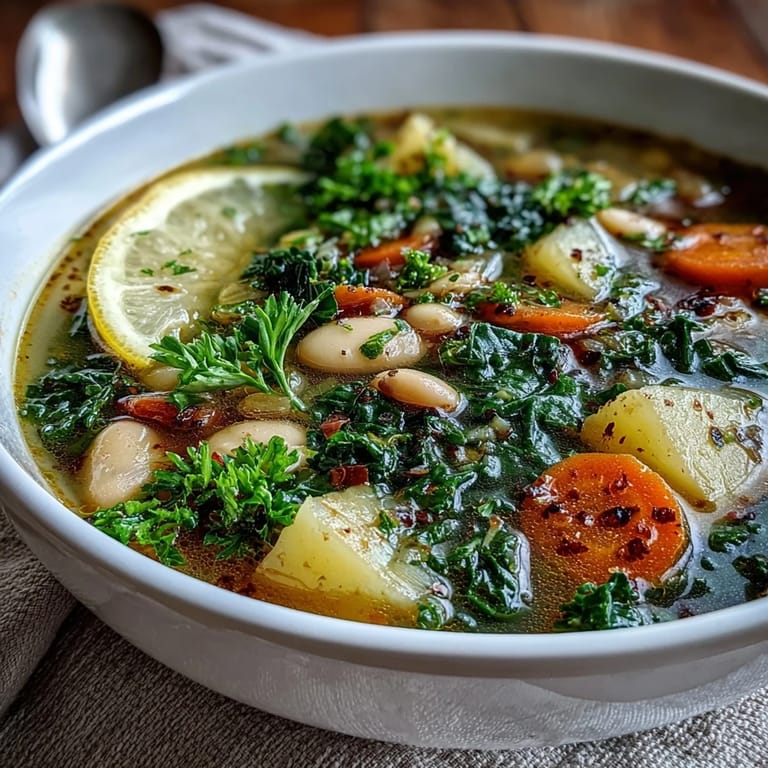 Save
Save This soup quietly became one of my most reliable recipes, the kind you make without thinking twice. It's proof that the most nourishing meals don't need to be complicated, just thoughtfully built.
Recipe Questions & Answers
- → Can I make this soup ahead of time?
Absolutely. This soup actually tastes better the next day as flavors have time to meld. Store in an airtight container in the refrigerator for up to 4 days. Reheat gently on the stovetetop, adding a splash of broth if needed.
- → What other greens work in this soup?
Spinach, Swiss chard, or collard greens all substitute beautifully. Spinach wilts quickly so add it during the last 5 minutes. Collards need slightly longer cooking time, about 5-7 minutes more than kale.
- → Can I freeze this soup?
Yes, freeze for up to 3 months. The potatoes may become slightly softer after thawing but the flavor remains excellent. Cool completely before transferring to freezer-safe containers, leaving room for expansion.
- → How do I make this soup creamier?
For added richness, purée half the beans with a cup of broth before stirring back into the pot. Alternatively, finish with a swirl of coconut milk or stir in a spoonful of tahini just before serving.
- → What can I serve alongside?
Crusty gluten-free bread, cornbread, or a simple green salad with vinaigrette make excellent accompaniments. For a heartier meal, top with toasted pumpkin seeds or a drizzle of olive oil.
- → Is this suitable for meal prep?
Perfect for meal prep. Portion into individual containers for easy grab-and-go lunches throughout the week. The kale holds its texture well and reheats beautifully without becoming mushy.