 Save
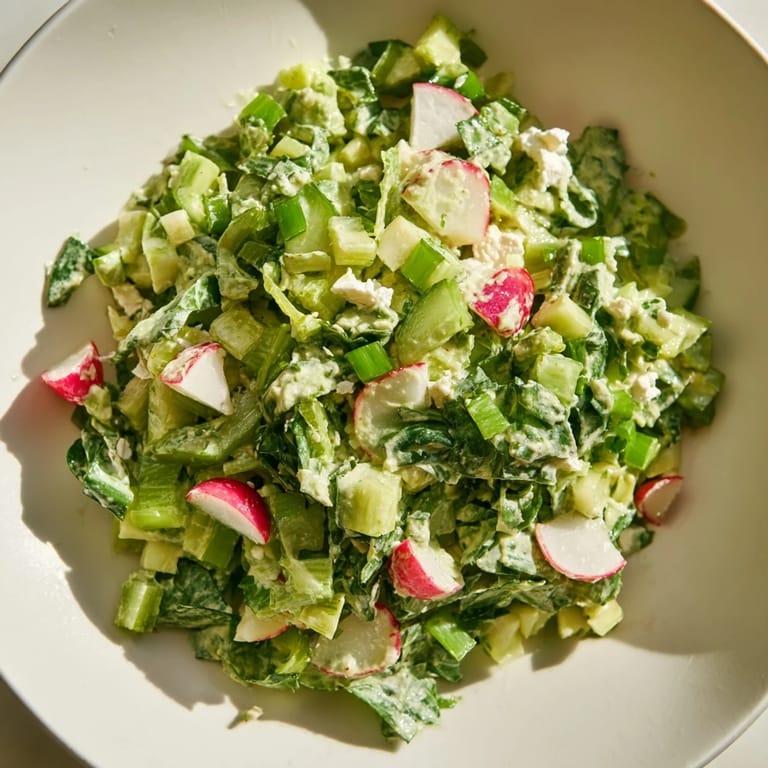
Save I discovered this dip on a lazy Sunday afternoon when my phone exploded with videos of people chopping cabbage into neat little squares. Instead of scrolling past like I usually do, I actually decided to make it, and something clicked. The moment that first forkful of crunchy cabbage hit the creamy basil dressing, I understood why everyone was obsessed. It wasn't fancy or complicated, but it tasted like summer captured in a bowl.
I brought this to a potluck last summer, and it disappeared faster than the hummus. Someone asked for the recipe while their mouth was still full, which is always the highest compliment. That's when I realized this wasn't just a viral trend—it was genuinely good, the kind of thing people actually wanted to make at home.
Ingredients
- Fresh basil leaves, packed (1 cup): This is the green goddess's backbone; buy it the day you're making this because it bruises quickly, and those little dark spots affect the color and taste more than you'd think.
- Fresh baby spinach (1 cup): It adds earthiness and deepens the green without overpowering the basil—don't skip it thinking it's redundant.
- Fresh parsley leaves (1/2 cup): The quiet herb that balances everything and keeps the dressing from tasting too rich.
- Green onions, chopped (2): They give you that sharp bite at the end that makes you want another spoonful.
- Small garlic clove (1): Just one—more turns it into garlic dip, less and you lose the backbone that holds everything together.
- Ripe avocado (1/2): This is what makes the dressing creamy without needing tons of mayo; make sure it's actually ripe or it won't blend smooth.
- Greek yogurt (1/2 cup): The tanginess matters here; it keeps the dip from tasting heavy and cuts through all that richness.
- Mayonnaise (1/4 cup): Use good mayo—the cheap kind tastes like it, and you'll taste it in every bite.
- Fresh lemon juice (2 tablespoons): Squeeze it yourself; bottled always tastes a little flat by comparison.
- Extra-virgin olive oil (2 tablespoons): This goes in the dressing, not on top, so it actually blends into that green cloud.
- White wine vinegar (1 tablespoon): A small amount adds brightness without making it taste vinegary—it's the secret weapon.
- Dijon mustard (1 teaspoon): A tiny amount that you can't identify but definitely notice if it's missing.
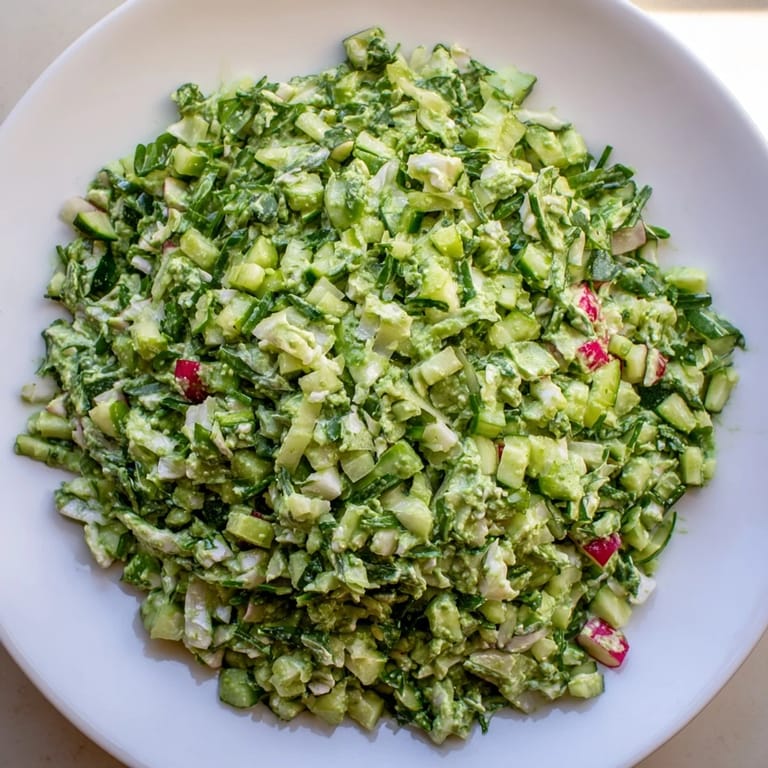
- Green cabbage, finely chopped (4 cups): Chop it fine enough that it actually gets coated with dressing; chunky pieces stay too crunchy in an unsatisfying way.
- Cucumber, finely diced (1 cup): Adds water content and prevents the dip from feeling dense.
- Celery, finely diced (1/2 cup): The structural element that keeps everything from getting soggy.
- Chives, finely sliced (1/4 cup): Milder than green onions, so you can use more without it getting aggressive.
- Radishes, finely diced (1/2 cup, optional): They're optional but worth it—they add a peppery crunch that makes people ask what that is.
- Crumbled feta cheese (1/2 cup, optional): Salty and tangy; skip it for vegan, but it pushes this from good to unforgettable.
Tired of Takeout? 🥡
Get 10 meals you can make faster than delivery arrives. Seriously.
One email. No spam. Unsubscribe anytime.
Instructions
- Blend the green goddess:
- Throw the basil, spinach, parsley, green onions, garlic, avocado, yogurt, mayo, lemon juice, olive oil, vinegar, mustard, salt, and pepper into a blender or food processor. Pulse at first so you don't turn everything into a smoothie, then blend until it's completely smooth and that vibrant green—you'll know when it's right because it looks like something that belongs in a fancy restaurant. Taste it and adjust salt or lemon if it needs it; this is your moment to season properly since you can't fix it later once it's mixed with the vegetables.
- Chop with intention:
- While the dressing sits in the blender, get your cutting board ready and start chopping the cabbage, cucumber, celery, chives, and radishes into uniform small pieces. The size matters more than you think—if some pieces are huge and others are tiny, the huge ones don't get coated and feel dry in your mouth.
- Combine and coat:
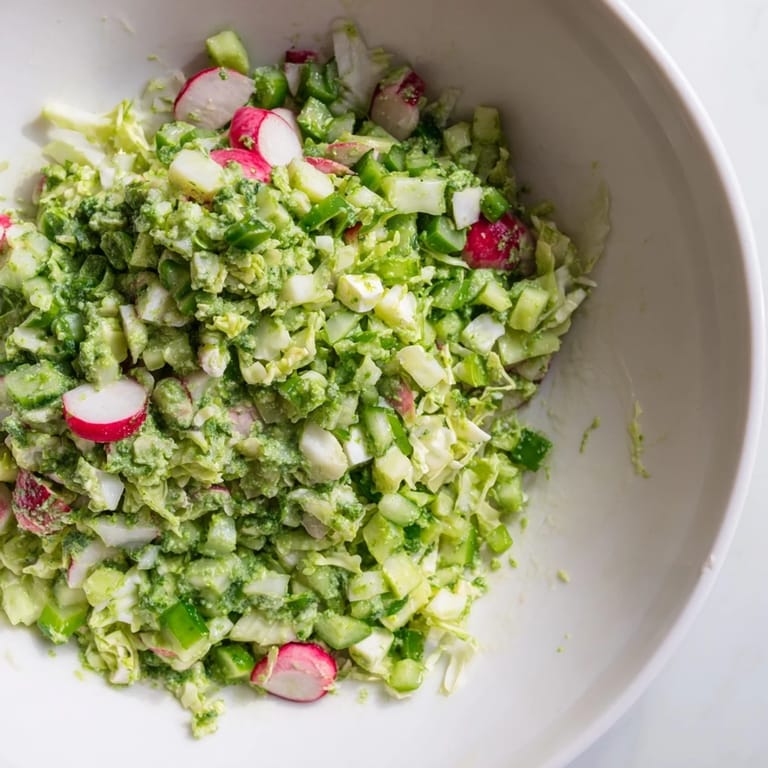
- Pour the bright green dressing over all those chopped vegetables in a large bowl and toss like you mean it, making sure every piece gets contact with that creamy coating. If you're using feta, fold it in gently at the end so the pieces stay visible and don't disappear into the green.
- Serve and enjoy:
- Transfer to a serving bowl and put it out with chips, pita, or fresh vegetables for dipping. It's best the same day you make it when the crunch is at its peak, but you can cover and refrigerate for up to two days if you need to make it ahead.
 Save
Save There's something special about putting out a bowl of bright green dip and watching people's faces light up. They taste the basil and avocado and fresh herbs, and they don't expect it to be this good when it came from your kitchen instead of a restaurant. That moment, when something simple becomes the thing people remember about the meal—that's when cooking feels like magic.
Why This Dip Became My Go-To
I used to avoid making anything with fresh herbs because I thought they were finicky and I'd mess it up. But this dip taught me that fresh herbs want to shine—you just have to let them. The dressing is so forgiving; a little more lemon, a touch more salt, an extra basil leaf if you're feeling bold. There's no right way, just your way, and somehow it always tastes like summer.
The Crunchy Factor Nobody Mentions
Most creamy dips go sad and mushy if they sit for more than an hour. This one stays crispy because the vegetables release their water slowly, and the yogurt and mayo actually protect the crunch instead of dissolving it. I learned this the hard way after making it for an afternoon party and being amazed that the texture at hour three was as good as hour one. That's when I stopped thinking of it as a fancy appetizer and started making it for everything.
Making It Your Own
The dip itself is a canvas. Add jalapeño if you want heat, a splash of hot sauce if you want kick, or keep it pure green and refreshing. Some days I add extra feta and make it richer; other times I go vegan and it's just as satisfying. The core recipe is strong enough to handle whatever you throw at it, which is honestly the mark of good food.
- For vegan, swap yogurt for cashew cream or coconut yogurt, use vegan mayo, and skip the feta or use a dairy-free cheese.
- Prep the vegetables earlier in the day and store them separately, then combine with dressing thirty minutes before serving for maximum crunch.
- Double the dressing recipe and use the leftovers as a sandwich spread or drizzle over grain bowls for days.
 Save
Save This dip proves that the simplest recipes are often the best ones. There's no fancy technique, no special equipment, just fresh ingredients and a blender doing what it does best.
Recipe Questions & Answers
- → What gives the dressing its creamy texture?
The dressing’s creaminess comes from a blend of avocado, Greek yogurt, and mayonnaise, creating a smooth, rich base.
- → Can I make this dairy-free?
Yes, by using plant-based yogurt, vegan mayonnaise, and omitting or substituting feta cheese with a dairy-free option.
- → How should I store leftovers?
Store in an airtight container in the refrigerator and consume within 2 days to maintain crispness and freshness.
- → Is this suitable for gluten-free diets?
The dish itself is gluten-free; ensure chips or dippers used are certified gluten-free if needed.
- → Can I add more spice to it?
Absolutely, add jalapeño or a dash of hot sauce to the dressing for a spicy kick.