 Save
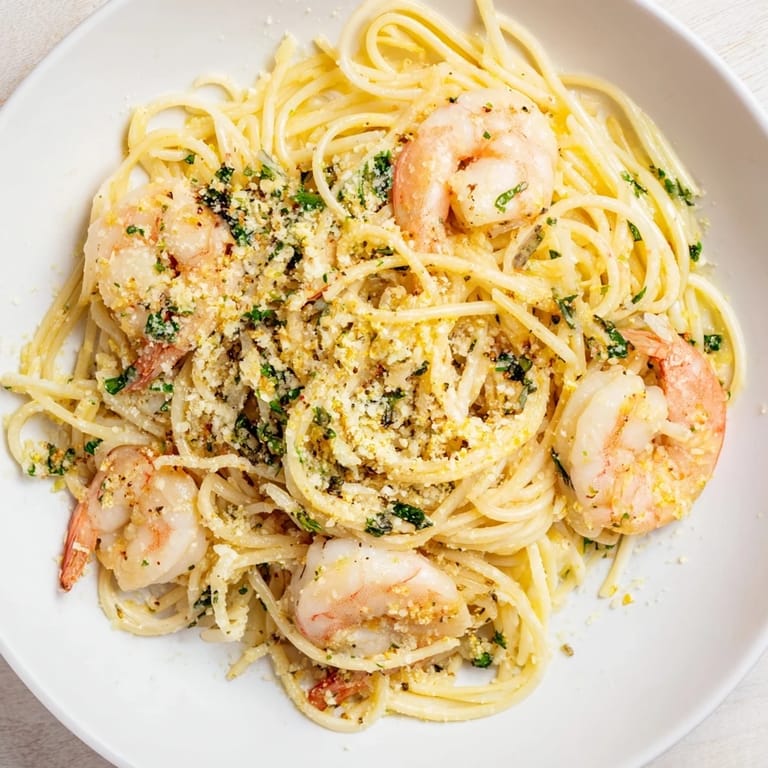
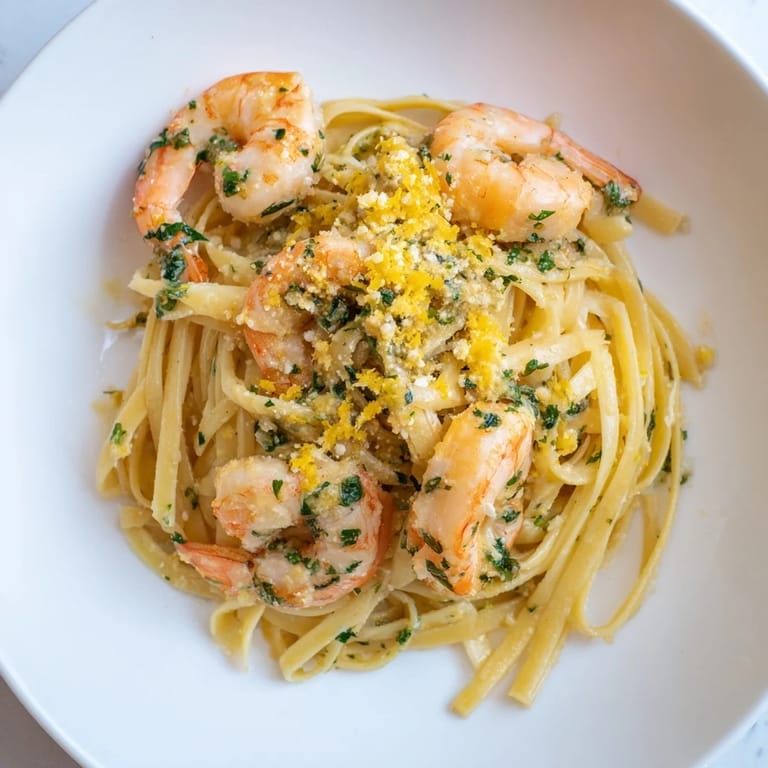
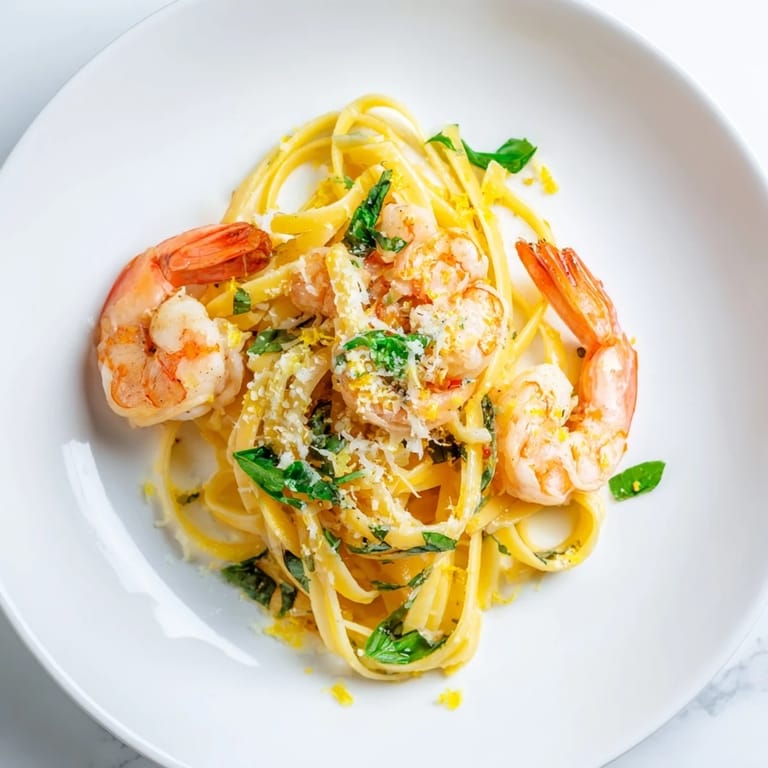
Save There's something about the smell of garlic hitting hot oil that makes me stop whatever I'm doing and just breathe it in. Years ago, a friend visiting from the coast brought me a bag of the most beautiful shrimp I'd ever seen, still glistening with sea salt, and challenged me to cook something that wouldn't mask their sweetness. That's when I understood lemon herb pasta with shrimp—it's not about complicated technique, it's about letting each ingredient shine without apology. The dish came together so naturally that night, bright and clean and ready in under thirty minutes, and I've been making it ever since.
I made this for my partner on a random Tuesday when I'd forgotten to plan dinner, and they looked at the plate like I'd performed magic. The lemon caught the evening light coming through the kitchen window, and somehow that simple pasta felt like celebration. Now whenever they ask what I'm making, if it's this dish, they smile before I've even finished speaking.
Ingredients
- Large shrimp, 400 g peeled and deveined: Look for shrimp that smell like the ocean, not ammonia—that's your sign they're fresh. Pat them completely dry before cooking or they'll steam instead of sear.
- Linguine or spaghetti, 340 g: I prefer linguine because it catches the sauce better, but honestly, use what you love.
- Garlic, 3 cloves minced: Slice it thinner than you think you need to—it browns so fast and bitter garlic ruins everything.
- Lemon, 1 large for zest and juice: Use a microplane if you have one; the zest should look almost fluffy. That's where the real lemon flavor lives.
- Fresh parsley, 3 tbsp finely chopped: Tear it with your fingers at the last moment instead of cutting it, and the oils stay bright.
- Fresh basil, 2 tbsp finely chopped, optional: This is where you can get creative—mint or dill work beautifully too.
- Extra-virgin olive oil, 3 tbsp: Don't cheap out here; this is your main flavor vehicle.
- Unsalted butter, 1 tbsp: The butter carries the garlic flavor in a way oil alone can't quite manage.
- Salt and freshly ground black pepper, to taste: Taste as you go; you'll need more than you think because the pasta water dilutes it.
- Lemon wedges, Parmesan cheese, extra herbs for garnish: These are your chance to make it feel restaurant-quality with zero extra effort.
Tired of Takeout? 🥡
Get 10 meals you can make faster than delivery arrives. Seriously.
One email. No spam. Unsubscribe anytime.
Instructions
- Get your water boiling:
- Fill a large pot with salted water—it should taste like the sea. Bring it to a rolling boil, then add pasta and stir immediately so nothing sticks together.
- Cook the pasta right:
- Follow the package time but taste it a minute before, because al dente means it still has a tiny bit of resistance when you bite it. Reserve a coffee mug of that starchy water before you drain.
- Prepare your shrimp:
- Pat them dry with paper towels—this is non-negotiable if you want them to brown. A light pinch of salt and pepper is all they need right now.
- Get a good sear on the shrimp:
- Heat 2 tablespoons of oil in a large skillet over medium-high heat until it shimmers. Lay the shrimp in a single layer and leave them alone for a full minute—they'll turn pink from the bottom up. Flip once, cook another minute, then move them to a plate.
- Build your sauce base:
- Lower the heat to medium, add the remaining oil and butter, then immediately add your garlic. You'll have maybe thirty seconds before it starts browning, so stay close and listen for the sizzle to soften.
- Bring it all together:
- Add the hot pasta to the pan along with half your reserved water, then the lemon zest and juice. Toss everything constantly for about a minute so the starch in the pasta water creates a silky sauce.
- Finish and serve:
- Return the shrimp, scatter the herbs over top, toss gently one more time. If it looks too dry, splash in more pasta water. Taste and adjust salt—this matters.
 Save
Save The first time I served this to someone who claimed they didn't like seafood, they cleaned their plate and asked for the recipe. There's something about the way the lemon and herbs work together that converts people—it's not fancy, it's just honest, and that's what makes people come back to the table.
The Magic of Lemon in Pasta
Lemon does something almost chemical to seafood and herbs—it wakes them up. The acid brightens everything and keeps the dish from feeling rich or heavy, which matters when you're working with butter and olive oil. I learned this by accident when I squeezed a lemon wedge over a bite at the last second and couldn't stop eating. Now I use both zest and juice because they do different things; the zest carries volatile oils that fade fast, while juice provides lasting brightness.
Cooking Pasta for Sauce, Not Just Boiling It
The difference between pasta that tastes good and pasta that tastes incredible is that reserved pasta water—I can't stress this enough. That cloudy starch is like edible glue; it helps the sauce grip every strand instead of sliding off. Some recipes call for finishing pasta in the sauce anyway, and that's fine, but even just tossing cooked pasta with the pan ingredients for a minute makes a noticeable difference. The water also gives you control; you can loosen the sauce if it's too thick or let it reduce if it's too thin.
Building Flavor Without Complication
This dish proves you don't need a list of techniques to make something delicious. You're really just cooking shrimp, making a simple pan sauce, and tossing it together—three steps, each one straightforward. What elevates it is paying attention: patting shrimp dry, tasting as you season, using good olive oil, and not overcooking anything. Everything that matters happens because you stayed present and didn't rush.
- Taste the pasta water before you boil it; if it doesn't taste salty enough, add more salt.
- Have everything chopped and ready before you start cooking, because once the shrimp hits the pan, you're moving fast.
- Serve immediately on warm plates if you can—cold ceramics steal heat from food and that matters more than people realize.
 Save
Save This recipe is what I make when I want to feel like I'm cooking well without the stress, or when someone's coming over and I want them to know I'm glad they're here. It's become my kitchen's love language.
Recipe Questions & Answers
- → What type of pasta works best?
Linguine or spaghetti are preferred as they hold the sauce well but fettuccine can be used as an alternative.
- → How do I cook the shrimp perfectly?
Cook shrimp in a hot skillet for 1-2 minutes per side until they turn opaque and pink to keep them tender.
- → Can I use dried herbs instead of fresh?
Fresh herbs provide the brightest flavor, but dried parsley and basil can be used with slightly less quantity.
- → What can I substitute for butter for a dairy-free option?
Extra olive oil can replace butter, maintaining richness while keeping it dairy-free.
- → How should I season the pasta water?
Salt the pasta water generously to enhance the pasta’s flavor before cooking.