 Save
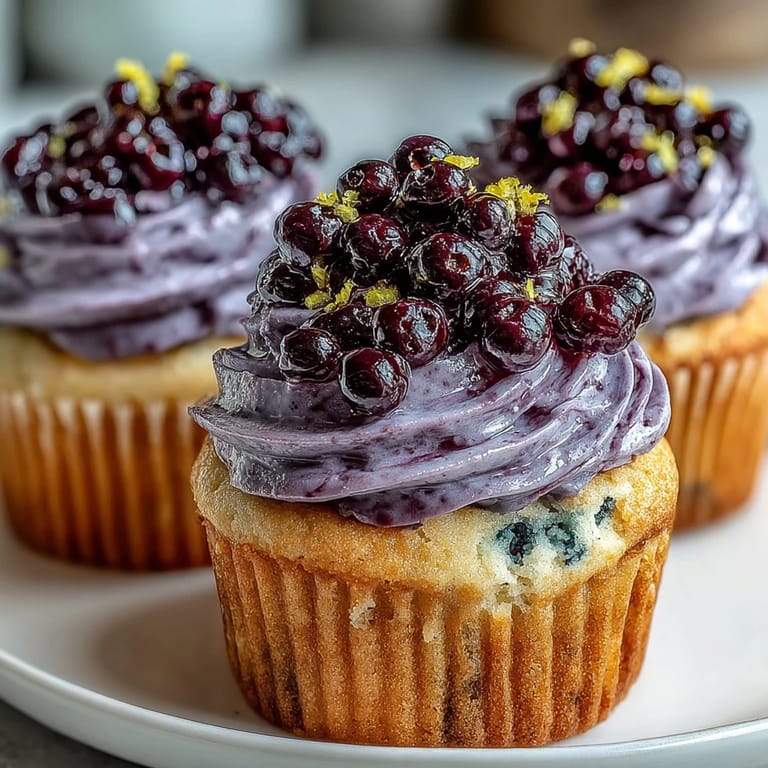
Save My neighbor brought over a bottle of exceptional Greek olive oil one autumn evening, insisting I needed to taste it in something sweet rather than savory. I was skeptical until I drizzled it into cupcake batter and caught that grassy, peppery aroma mingling with vanilla—suddenly the whole kitchen smelled like something between a Mediterranean orchard and a bakery. That first bite, paired with a tart black currant frosting, changed how I thought about olive oil entirely. These cupcakes became my answer to her gift, and now they're the first thing I reach for when I want to impress without fussing.
I made these for a small tea gathering on a rainy afternoon, and watching someone's expression shift from polite interest to genuine delight was worth every minute. One guest asked if I'd made them professionally, which I'll admit went straight to my ego—but the real magic was how the tartness of the frosting balanced perfectly with Earl Grey tea, creating this moment where everything just clicked into place.
Ingredients
- All-purpose flour (1 1/2 cups): The foundation that keeps these cupcakes tender; measure by spooning into your cup rather than scooping directly from the bag, which prevents packing down the flour and keeps them light.
- Baking powder and baking soda (1 tsp and 1/2 tsp): This combination works together to lift the cupcakes without making them cakey, so don't skip measuring precisely.
- Fine sea salt (1/4 tsp): A pinch here amplifies the olive oil's flavor and prevents the frosting from tasting one-dimensional.
- Granulated sugar (3/4 cup): Creamed properly with eggs, it creates air pockets that make these cupcakes feel almost cloud-like.
- Eggs at room temperature (2 large): Cold eggs won't incorporate smoothly into the batter, so pull them out about thirty minutes before you start mixing.
- Extra virgin olive oil (1/2 cup): Choose something with character—a grassy or peppery oil will sing here, but a delicate one works too if that's what you have on hand.
- Whole milk at room temperature (1/2 cup): The acidity reacts with the baking soda to help these rise, so don't substitute with non-dairy without thinking it through.
- Pure vanilla extract (1 tsp): The real thing matters because the flavor needs to hold its own against the bold frosting.
- Lemon zest (from 1 lemon, optional): This optional addition adds brightness that plays beautifully with the black currant, though these are wonderful without it too.
- Unsalted butter for frosting (1/2 cup): Softened to room temperature so it creams smoothly without becoming greasy.
- Cream cheese (4 oz): Also softened, this adds tang and a silky texture that makes the frosting feel indulgent.
- Powdered sugar (2 cups): Sift it before measuring to eliminate lumps that can make frosting grainy.
- Black currant jam or puree (1/4 cup): The star of the frosting—seek out a good quality version if possible, as this is where the flavor profile lives.
- Lemon juice (1 tsp): A small squeeze that brightens and cuts through richness without making the frosting taste citrusy.
Tired of Takeout? 🥡
Get 10 meals you can make faster than delivery arrives. Seriously.
One email. No spam. Unsubscribe anytime.
Instructions
- Get your oven and pans ready:
- Preheat to 350°F and line your muffin tin with paper liners—this prevents the paper from sticking to the cupcakes as they cool and makes frosting easier later.
- Combine your dry ingredients:
- Whisk flour, baking powder, baking soda, and salt in a medium bowl until they're evenly distributed, which helps the cupcakes rise uniformly. This step takes less than a minute but makes a real difference.
- Cream eggs and sugar into fluffy clouds:
- Beat them together for about two minutes until the mixture is pale and noticeably thicker—you're incorporating air that will keep these cupcakes tender. If using an electric mixer, it'll do the heavy lifting; if by hand, set a timer and go slow.
- Whisk in the olive oil smoothly:
- Add it gradually while continuing to beat, making sure each addition emulsifies fully before the next one goes in. This prevents the batter from looking curdled or separated.
- Add milk, vanilla, and zest:
- Stir these in gently by hand—you're past the creaming stage now and don't want to deflate all that air you've worked to incorporate. If using lemon zest, add it here for maximum flavor impact.
- Fold in the dry mixture without overworking:
- Use a spatula to fold until just combined, stopping as soon as you see no white streaks of flour—overmixing develops gluten and creates tough, dense cupcakes. This is where restraint pays off.
- Fill your liners and bake:
- Divide batter evenly among the liners, filling each about two-thirds full, then slide into the oven for 16 to 18 minutes until a toothpick inserted in the center comes out clean. Watch near the end—oven temperatures vary, and overbaking dries these out.
- Cool with patience:
- Let them rest in the pan for five minutes so they firm up slightly, then transfer to a wire rack to cool completely before frosting. Rushing this step means warm cupcakes and melting frosting.
- Make your frosting magic:
- Beat softened butter and cream cheese together until smooth and creamy, which takes a couple of minutes and creates your frosting base. It should look light and fluffy, almost mousse-like.
- Add powdered sugar gradually:
- Beat it in a little at a time, letting each addition incorporate fully before adding more—this prevents lumps and keeps the frosting smooth and spreadable. If it gets too stiff, a teaspoon of milk loosens it right up.
- Stir in black currant and finish:
- Mix in the jam, lemon juice, and salt until the frosting is fully incorporated and has a beautiful deep hue. Taste it at this point and adjust—if it needs more brightness, a squeeze more lemon does it.
- Frost and garnish:
- Once cupcakes are completely cool, frost generously and top with extra black currants or a whisper of lemon zest if you're feeling fancy. These are best eaten within a day but keep well in the fridge for three days.
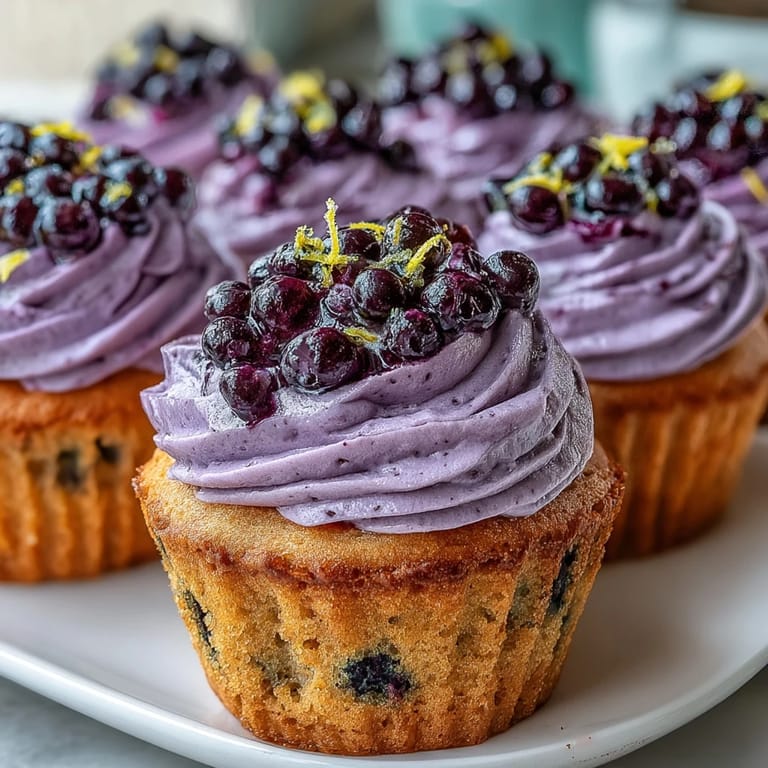 Save
Save These cupcakes have a way of becoming a tradition without you planning for it—one person asks you to bring them to something, and suddenly you're making them twice a month. There's something about serving something elegant but approachable that makes people feel genuinely seen, and that's the real magic here.
Why Olive Oil Changes Everything
Most cupcakes rely on butter for structure and flavor, but olive oil brings moisture that butter simply cannot match while keeping these light and tender instead of dense. The trade-off is subtle—you lose the rich butteriness but gain something more delicate and sophisticated that lets the black currant frosting be the star. I learned this by accident the first time I made them, substituting because I was out of butter, and discovering I preferred them this way.
The Black Currant Advantage
Black currant has this underrated elegance—it's tart without being aggressive, fruity without being cloying, and it pairs with lemon in a way that feels almost orchestrated. The frosting itself is what elevates these from simple to special, and it's worth seeking out good quality jam if your local grocery store has it in the specialty section. Once you taste what good black currant does against these olive oil cupcakes, you'll understand why this combination exists.
Making Them Your Own
These cupcakes are forgiving enough to play with once you've made them once—you could add fresh rosemary to the batter for earthiness, swap the black currant for raspberry if that's what you've got, or dust them with sea salt flakes before serving. The structure is solid enough to handle variations without falling apart, which means you can make them your own rather than being locked into a single approach. Every time you make them, you'll likely tweak something small, and that's exactly how recipes become truly yours instead of something you're just following.
- If black currant jam is impossible to find, blackberry or even boysenberry jam works beautifully in the frosting.
- For a less sweet version, reduce powdered sugar to one and three-quarter cups and add an extra teaspoon of lemon juice for brightness.
- These freeze well unfrosted for up to two weeks, so you can make the cupcakes ahead and frost them fresh closer to serving time.
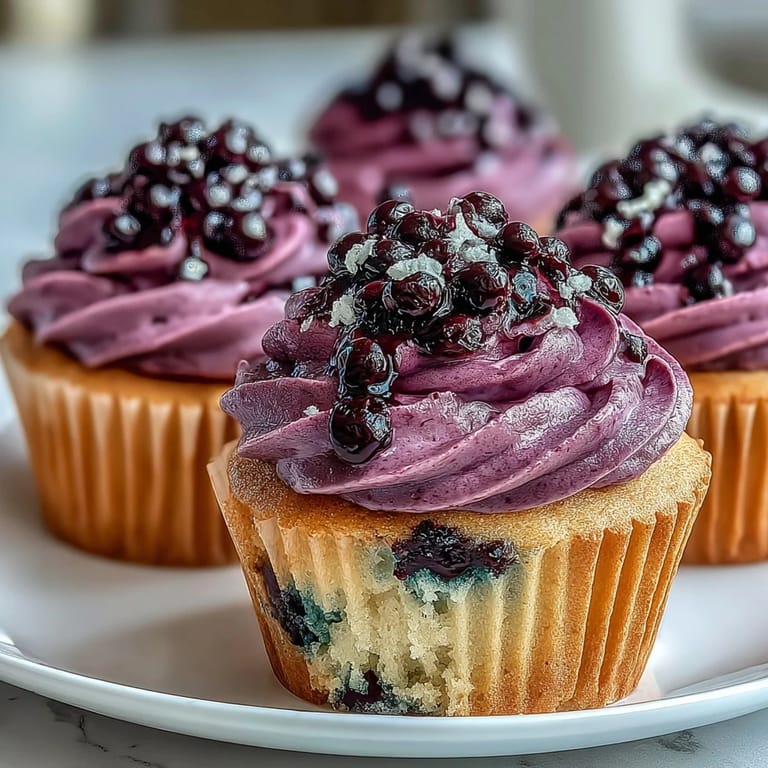 Save
Save These cupcakes feel like a small celebration whenever you make them, the kind of dessert that makes an ordinary afternoon feel intentional. Pair them with good tea or sparkling wine and watch how quickly they disappear.
Recipe Questions & Answers
- → What does olive oil add to cupcakes?
Olive oil creates an exceptionally moist, tender crumb and adds subtle fruity notes. It also helps cupcakes stay fresh longer than butter-based versions, while contributing a sophisticated European flavor profile.
- → Can I substitute the black currant jam?
Yes, blackberry or raspberry jam work beautifully as alternatives. Both provide similar tartness and deep purple color. For a different flavor profile, try blueberry or cherry preserves instead.
- → Should I use extra virgin or regular olive oil?
Extra virgin olive oil is recommended, but choose a mild variety rather than a robust, peppery one. A light or delicate EVOO complements the vanilla without overpowering the other flavors in the batter.
- → How should I store these cupcakes?
Store frosted cupcakes in an airtight container in the refrigerator for up to 3 days. The cream cheese frosting requires cool temperatures. Bring to room temperature 20 minutes before serving for the best texture and flavor.
- → Can I make these as a layer cake instead?
Absolutely. This batter yields two 8-inch round cake layers. Increase baking time to 25–30 minutes. Double the frosting recipe to generously fill and frost a two-layer cake with the same tangy black currant cream cheese mixture.
- → What pairs well with these cupcakes?
Earl Grey tea complements the fruity currant notes beautifully. For a wine pairing, try an off-dry sparkling wine or prosecco. The tangy frosting also balances well with a cup of freshly brewed coffee or cappuccino.