 Save
Save The first time I shaped hummus into dunes, I felt like I was playing in sand at the beach—except everything smelled like tahini and lemon. My hands were messy, my kitchen smelled incredible, and I realized I'd been making hummus the same flat way for years without ever considering that it could be sculpted, presented, transformed into something that told a story. The moment those golden pita chips came out of the oven, crispy and fragrant with paprika and cumin, the whole dish clicked into place.
I brought this to a potluck last spring, and the way everyone's face lit up when they walked in and saw those hummus dunes on the table—that's when I knew I'd found something special. One friend asked if it was too pretty to eat, then immediately filled a plate with pita chips. Watching people enjoy something I'd made with my own hands, something that made them smile, that's the real magic.
Ingredients
- Chickpeas (1 can, drained and rinsed): The foundation of everything—rinse them well to reduce any bitter taste and help the hummus stay lighter and fluffier.
- Tahini (3 tablespoons): This is what gives hummus its soul; use the best quality you can find because you'll actually taste the difference.
- Fresh lemon juice (2 tablespoons): Squeeze it fresh right before blending—bottled just isn't the same and your hummus will know it.
- Extra-virgin olive oil (2 tablespoons, plus more for drizzling): Choose one you love enough to eat on its own, because this is where that quality shines.
- Garlic clove (1, minced): One clove is really all you need; too much and it overpowers everything else.
- Ground cumin (1/2 teaspoon): This tiny amount is what makes people ask what that warm, earthy taste is.
- Fine sea salt (1/2 teaspoon, more to taste): Start with less and taste as you go—salt is the one thing you can always add more of.
- Cold water (2–3 tablespoons): Add it slowly, one tablespoon at a time, so your hummus doesn't turn into soup.
- Pita breads (4 large): Cut them into irregular triangles that actually look like dunes, not perfectly uniform chips.
- Olive oil for pita (2 tablespoons): A light hand here keeps them crispy instead of greasy.
- Smoked paprika (1/2 teaspoon): This adds a subtle depth that regular paprika can't match.
- Ground cumin for pita (1/4 teaspoon): A whisper of spice that ties the chips back to the hummus.
- Fine sea salt for pita (1/4 teaspoon): Seems small, but it's essential for making those chips actually taste good.
- Sumac or sweet paprika for garnish: That final dusting is what makes this feel intentional and gorgeous.
- Fresh parsley (optional): A small handful of green brings everything alive and gives you a moment to add your own touch.
Tired of Takeout? 🥡
Get 10 meals you can make faster than delivery arrives. Seriously.
One email. No spam. Unsubscribe anytime.
Instructions
- Fire up the oven:
- Set your oven to 375°F and line a baking sheet with parchment paper so your pita chips don't stick and you don't have a cleanup nightmare later.
- Cut and brush the pita:
- Slice your pita breads into irregular, curved triangles that actually mimic rolling dunes—don't overthink this part, the imperfection is what makes it look real. Lightly brush both sides with olive oil and sprinkle with smoked paprika, cumin, and salt.
- Bake until golden:
- Spread the pita pieces in a single layer and bake for 8–10 minutes, turning them halfway through so they brown evenly. They'll smell incredible when they're done, and that's your signal they're ready.
- Blend the hummus:
- While the chips are baking, toss your drained chickpeas, tahini, lemon juice, olive oil, minced garlic, cumin, and salt into a food processor and blend until it's completely smooth. Add cold water one tablespoon at a time until you reach that creamy, spoonable texture.
- Taste and adjust:
- This step matters more than you think—take a moment to taste your hummus and add more salt, lemon, or garlic if it needs it. No two batches are exactly the same, and that's okay.
- Shape your dunes:
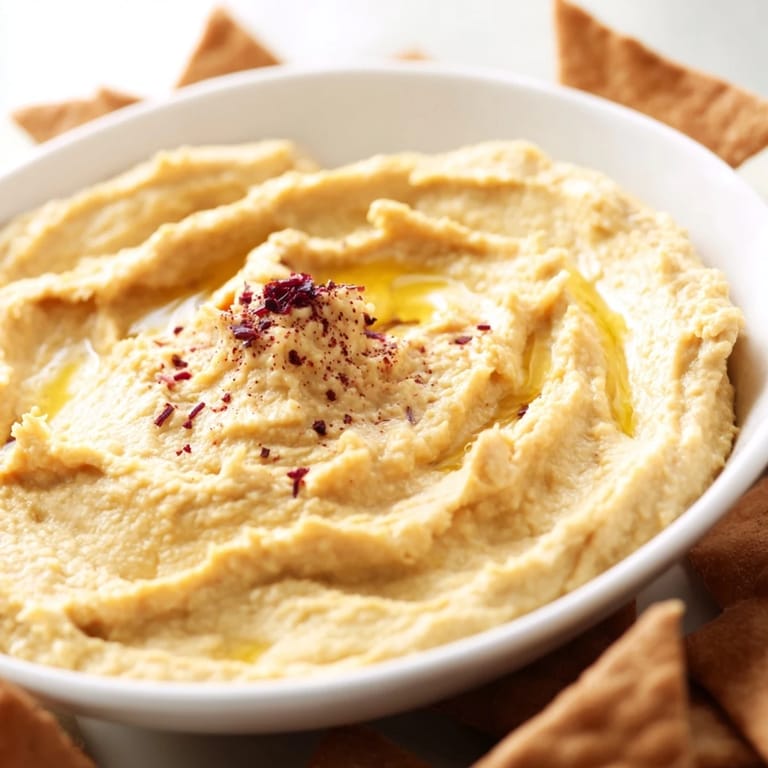
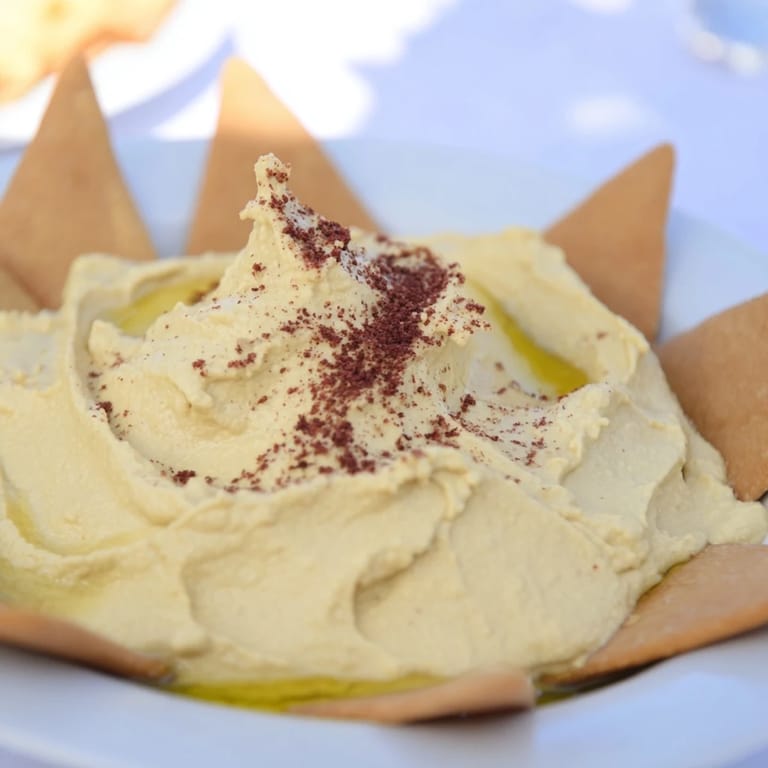
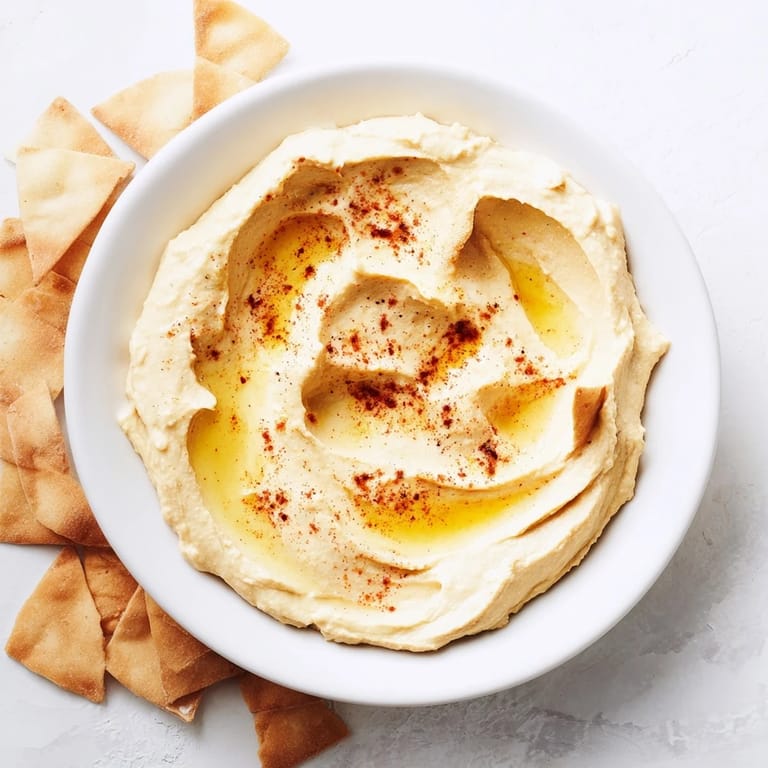
- Once your hummus is perfect, use a spoon or offset spatula to sculpt it into smooth, undulating mounds on your serving platter. Take your time here and enjoy the tactile moment—this is where the magic happens.
- Finish and serve:
- Drizzle the hummus with a generous glug of olive oil, dust it with sumac or sweet paprika, scatter some fresh parsley on top, and arrange those golden pita chips around the mounds like they're rolling down a desert landscape.
 Save
Save There's something genuinely magical about food that doubles as art, something that makes people slow down and actually look at what's in front of them before diving in. That moment of hesitation, that small gasp of appreciation—that's worth the ten extra minutes it takes to shape the hummus into dunes instead of just scooping it flat.
Why This Recipe Feels Different
Most hummus recipes treat the dish like it's a side note, an afterthought to pile into a bowl. But this one asks you to see it as a centerpiece, something worthy of attention and intention. When you shape it, when you dust it with color, when you arrange it thoughtfully on a platter, the hummus becomes more than just chickpeas and tahini—it becomes a conversation starter, a moment of joy in an appetizer.
The Pita Chip Game Changer
Store-bought pita chips are fine, but something shifts when you make them yourself—the smell alone is worth it, and they taste fresher, crisper, tasting like they actually came from a kitchen instead of a factory. The smoked paprika is what takes them from plain to memorable; it's subtle enough that people can't always name it, but they know something makes them taste incredible.
Serving and Pairing Moments
This appetizer thrives when you make it feel like an event, even if it's just a Tuesday night dinner for people you love. Serve it at room temperature so the flavors sing, and give people time to admire it before they eat it—that pause matters. If you want to expand this into a bigger spread, pair it with sliced cucumbers and carrots for something lighter, or add a crisp white wine like Sauvignon Blanc to really let the flavors open up.
- Set this out on your prettiest platter and don't apologize for the fact that it looks like something from a restaurant.
- Make sure your pita chips are still slightly warm when you serve them; they taste better and people appreciate the care you took.
- If anyone has dietary restrictions, mention that this is naturally vegan and vegetarian before they ask, so they know they're getting something made with intention.
 Save
Save Every time you make this, you're not just making an appetizer—you're creating a memory, a moment where people gather around something beautiful and delicious. That's the real recipe.
Recipe Questions & Answers
- → How do I achieve the smooth texture of the hummus?
Blend chickpeas with tahini, lemon juice, olive oil, and garlic in a food processor, adding cold water gradually to reach a creamy and silky consistency.
- → What gives the pita chips their unique flavor?
The pita chips are brushed with olive oil and seasoned with smoked paprika, ground cumin, and sea salt before baking to achieve a crisp and flavorful finish.
- → Can this dish be adapted for gluten-free diets?
Yes, gluten-free pita or crackers can replace traditional pita breads to accommodate gluten-free needs while maintaining the dish's essence.
- → What is the best way to shape the hummus for presentation?
Use a spoon or offset spatula to sculpt the hummus into smooth, undulating mounds resembling sand dunes for an appealing and thematic look.
- → What are some suggested accompaniments?
Sliced cucumbers and carrots offer a light, fresh contrast, and a crisp white wine like Sauvignon Blanc pairs well with the dish's flavors.