 Save
Save The blender method for this cake was a happy accident I discovered when I was running late for a brunch gathering and didn't have time to break out the stand mixer. I threw everything in the blender expecting a disaster, but what came out of the oven was the tenderest, most evenly textured lemon cake I had ever made. Something about how the blender emulsifies the yogurt and oil creates a different crumb structure entirely.
My neighbor Sarah asked for the recipe after I brought this over when she was recovering from surgery. She texted me two days later saying she may have eaten the entire loaf by herself in 24 hours, which I honestly took as the highest compliment. Theres something about this cake that makes it impossible to stop at just one slice.
Ingredients
- Plain Greek yogurt: The acidity here tenderizes the gluten while creating that moist crumb, and full fat version makes a noticeable difference in richness
- Large eggs: Room temperature eggs will incorporate better into the batter, so set them out about 20 minutes before you start
- Vegetable oil: Unlike butter, oil stays liquid at room temperature which is exactly what keeps this cake so tender days later
- Granulated sugar: This amount hits the sweet spot without overpowering the bright lemon flavor
- Zest of 2 lemons: Really press that zest into the sugar before blending to release all those fragrant lemon oils
- Fresh lemon juice: About two large lemons should give you both the zest and juice you need
- Vanilla extract: Pure vanilla makes a difference here since the flavor profile is so simple
- All purpose flour: No need to sift unless your flour is particularly lumpy
- Baking powder: Check the expiration date because old baking powder leads to flat, dense cakes
- Salt: Just enough to make all the flavors pop without tasting salty
- Powdered sugar: For the glaze, though honestly the cake is perfect without it too
Tired of Takeout? 🥡
Get 10 meals you can make faster than delivery arrives. Seriously.
One email. No spam. Unsubscribe anytime.
Instructions
- Preheat and prep your pan:
- Getting your oven to 350°F 175°C first ensures the cake rises properly. Grease a 9x5 inch loaf pan thoroughly and dust it with flour, or line the bottom with parchment paper for easy removal.
- Blend the wet ingredients:
- Add the yogurt, eggs, oil, sugar, lemon zest, lemon juice, and vanilla into your blender canister. Blend on high until completely smooth, about 30 seconds, scraping down the sides once if needed.
- Add the dry ingredients:
- Sprinkle the flour, baking powder, and salt over the wet mixture in the blender. Pulse just 4 or 5 times until combined, watching carefully to stop before the flour disappears completely into the batter.
- Pour and smooth:
- Pour the batter into your prepared loaf pan and use a spatula to smooth the top. The batter will be thick but still pourable.
- Bake until golden:
- Bake for 35 to 40 minutes until the top is golden brown and a toothpick inserted in the center comes out clean or with just a few moist crumbs.
- Cool briefly:
- Let the cake rest in the pan for exactly 10 minutes, then run a knife around the edges and turn it out onto a wire rack to cool completely.
- Add the glaze if using:
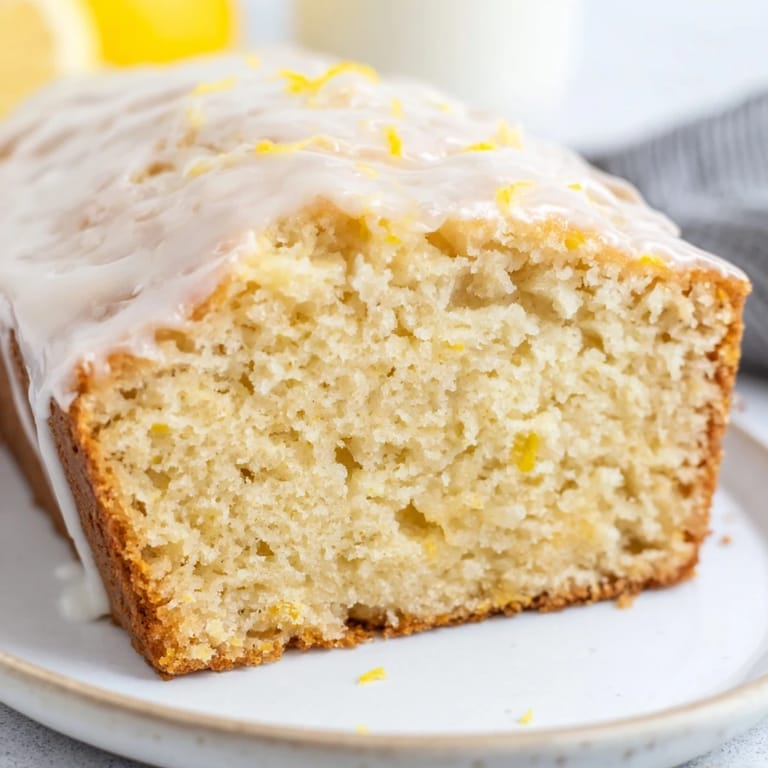
- Whisk the powdered sugar with just enough lemon juice to reach a drizzling consistency. Drizzle it back and forth over the cooled cake and let it set for about 15 minutes before slicing.
 Save
Save This has become my go to for new neighbors, sympathy meals, and pretty much any occasion that calls for a homemade treat. Something about the bright lemon flavor feels like sunshine on a plate, and people always seem genuinely surprised when I tell them how little effort it took.
Serving Suggestions
A slice of this cake alongside a cup of Earl Grey or English Breakfast tea is practically perfect. For a more substantial breakfast, serve it toasted with a bit of butter. Fresh berries on the side make it feel fancy enough for company.
Storage and Make Ahead
The cake actually tastes better on day two as the lemon flavor deepens and permeates every crumb. Wrap it tightly in plastic wrap and it will stay perfectly moist at room temperature for up to three days. For longer storage, slice and freeze individual portions wrapped well in plastic and foil.
Troubleshooting and Variations
If your oven runs hot, check the cake at 30 minutes and tent with foil if the top is browning too quickly. For a blueberry lemon version, gently fold one cup of fresh berries into the batter after pulsing in the flour.
- Swap the lemon for lime or orange to change the flavor profile entirely
- Add a tablespoon of poppy seeds to the dry ingredients for a classic lemon poppy seed variation
- Make it gluten free with a 1 to 1 gluten free flour blend, though the texture may be slightly denser
 Save
Save This is one of those rare recipes that delivers impressive results with minimal effort, the kind of cake that makes people think you spent hours when really you just pressed a blender button.
Recipe Questions & Answers
- → How do I keep the cake moist?
Using Greek yogurt adds moisture and tanginess, keeping the cake soft and tender throughout baking.
- → Can I substitute the all-purpose flour?
Yes, you can use gluten-free blends but results may vary; the texture might be slightly different.
- → What does the lemon zest add to the cake?
Lemon zest provides a vibrant citrus aroma and flavor, enhancing the overall brightness without extra acidity.
- → Is the glaze necessary?
The glaze adds a sweet, tangy finish but you can serve the cake plain or with fresh berries for a lighter touch.
- → What's the best way to mix the batter?
Blend wet ingredients first until smooth, then pulse in the dry ingredients to avoid overmixing and keep the texture light.
- → Can I use plain yogurt instead of Greek yogurt?
Yes, plain whole-milk yogurt works well though the texture may be a bit less thick and rich.